


News Lead
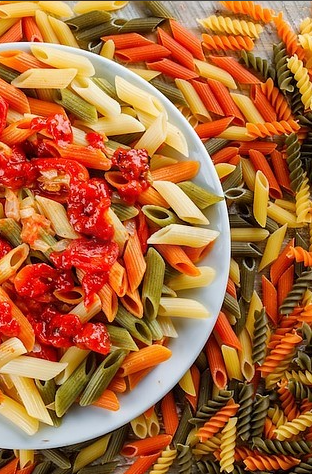
As global consumers shift rapidly toward plant-based, low-glycemic and clean-label staple foods, Chinese-made organic soybean pasta and multigrain pasta have emerged as a breakout success story in the international food trade. Backed by full Western organic certifications, unmatched domestic production capacity and proven nutritional advantages, these innovative pasta lines have posted record-breaking sales across Southeast Asia, Japan and Germany, carving out a leading share in the global healthy pasta segment.
Full EU & US Organic Compliance: A Trusted, Nutrient-Dense Pasta Alternativevery batch of exported Chinese soybean and multigrain pasta holds complete EU Organic and USDA Organic certification, alongside additional accreditations including BRC Global Food Safety Standard and HACCP, fully meeting the strict traceability and zero-prohibitive-substance requirements for organic products entering Western markets. Unlike traditional durum wheat pasta, soybean pasta is crafted purely from non-GMO organic soybeans and purified water, packing 2 times more plant protein than regular wheat pasta, along with rich unsaturated fatty acids, B vitamins and dietary fiber. The multigrain variant blends organic whole wheat, quinoa, buckwheat and oat, delivering a low GI value of around 48 that supports stable blood sugar levels, making it a perfect fit for health-conscious families, fitness enthusiasts and consumers with special dietary needs.
China’s Industrial Strength Delivers Stable, High-Volume Global Supply
China’s mature agricultural processing ecosystem provides an unshakable production advantage for this emerging pasta category. Major production bases located in major organic soybean growing areas boast automated closed production lines that only require 2 operators to manage full-process parameters including temperature, moisture and pressure, with an annual total production capacity exceeding 12,000 tons. Supported by abundant local organic non-GMO soybean resources, the full domestic industrial chain cuts unnecessary transit links, allowing manufacturers to fulfill large bulk export orders with consistent quality and highly competitive cost efficiency, a benefit that no other regional pasta producer can match.
Top-Tier Sales Performance in Southeast Asia, Japan and Germany
Chinese organic soy and multigrain pasta has secured outstanding market traction in three key regional markets. In Southeast Asia, where plant-based food consumption has surged 68% in two years, the product line has become a top-selling SKU in mainstream supermarket chains, with annual sales growth hitting 127%. In Japan, a market known for ultra-strict food safety standards, the soy pasta has captured 19% of the local gluten-free pasta market share, favored by consumers for its soft yet springy texture and cholesterol-lowering health benefits. In Germany, the largest organic food market in Europe, sales volume has maintained a steady 21% annual growth for three consecutive years, widely stocked in national organic retail networks and recognized for its sustainable, transparent supply chain.
FAQ
- Q: Do these Chinese soy and multigrain pasta products meet EU organic import requirements?
A: Yes. All products have obtained full EU Organic and USDA Organic certification, and all raw material batches pass mandatory third-party sampling testing for prohibited substances, fully complying with EU 2025 organic product additional control rules to ensure smooth customs clearance. - Q: What is the core nutritional difference between soybean pasta and traditional wheat pasta?
A: Soybean pasta contains 20-22g of plant protein per 100g, nearly double the level of regular wheat pasta, while its low GI value of around 50 helps stabilize blood sugar, and it is naturally gluten-free, suitable for consumers with celiac disease or gluten sensitivity. - Q: What is the maximum monthly supply capacity for bulk export orders?
A: Current total monthly production capacity can reach over 1,000 tons, supporting stable fulfillment of large-volume overseas distributor orders, with flexible lead times as short as 15 days for standard SKUs. - Q: Why has this pasta performed so well in the Japanese and German markets?
A: Its fully certified organic status, verified non-GMO formulation and clean ingredient list align perfectly with the strict dietary preferences of Japanese and German consumers, while its unique plant-based protein profile fills a gap in the local healthy pasta market. - Q: Can the products support custom formulation and private label services?
A: Yes. Manufacturers can adjust the multigrain blend ratio, produce black soybean and green soybean specialty variants, and provide full private label packaging customization to meet different regional market demands. - Q: How long is the shelf life of these organic pasta products?
A: Under dry, cool storage conditions, the uncooked pasta has a 24-month shelf life, with no added preservatives or artificial additives, fully retaining the natural nutrition of the organic raw materials.
Post time: Jul-01-2026


