


Lead-in: As global consumers increasingly prioritize nutritious, planet-friendly dining choices, traditional wheat-based pasta is getting a creative makeover. Leading food manufacturers are launching a new generation of soy and multigrain pasta products that blend bold, innovative flavors with proven health benefits, capturing growing market share while responding to rising demand for sustainable food solutions.
1. Flavor Innovation Drives New Product Development
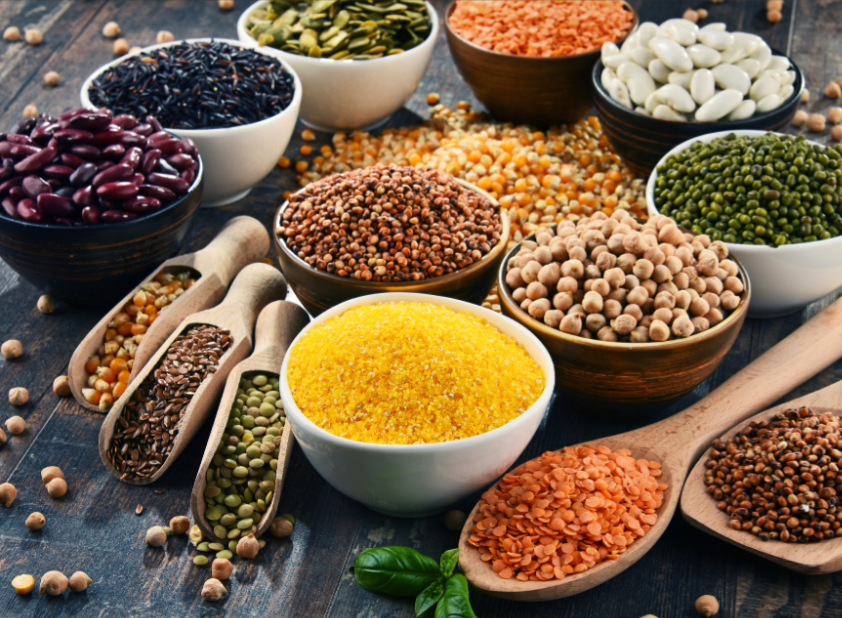
Food R&D teams have moved far beyond the basic “healthy but bland” stereotype of alternative pasta. Modern soy pasta is crafted using non-GMO whole soybeans, delivering a naturally creamy texture that pairs seamlessly with everything from classic tomato basil to spicy miso mushroom sauces. Multigrain variants combine red quinoa, brown rice, oat bran and black barley, creating layered, nutty profiles that surprise even long-time pasta lovers. Recent limited-edition launches, including roasted garlic soy spaghetti and truffle-infused seven-grain penne, have earned praise for matching or exceeding the taste experience of traditional pasta, proving that health-focused products do not need to compromise on culinary enjoyment.
2. Aligning with the Global Healthy Food Trend
The rise of soy and multigrain pasta comes at a time when 68% of global consumers report actively seeking plant-based, high-fiber staple foods according to 2026 industry surveys. Unlike refined wheat pasta, these new alternatives offer 2–3 times more plant protein, higher dietary fiber and lower glycemic index, supporting steady energy levels and digestive health. They naturally fit into vegetarian, vegan, gluten-free and high-protein diets, making them versatile choices for families, fitness enthusiasts and people managing specific dietary needs. Nutritionists note that swapping regular pasta for soy or multigrain versions is one of the simplest daily changes to improve overall diet quality without giving up beloved comfort meals.
3. Positive Market Dynamics and Enthusiastic Consumer Feedback
Market data shows that the alternative pasta category has grown 22% year-over-year, with soy and multigrain variants accounting for nearly 40% of that expansion. Major supermarket chains across North America, Europe and East Asia have expanded shelf space for these products by more than 50% in the past 12 months. Consumer reviews highlight three top praises: the pasta holds its shape well during cooking, does not turn mushy like many early alternative pastas, and works perfectly in both hot dishes and cold pasta salads. Many repeat buyers mention they no longer feel heavy after eating a pasta meal, a key difference they notice compared to traditional wheat options.
4. Sustainability at the Heart of Production
Beyond health and taste, these new pasta lines are making meaningful contributions to environmental protection. Soy and multigrain crops generally require 30% less water to grow than refined wheat used in standard pasta, and their production processes generate 25% fewer carbon emissions. Many leading brands now source ingredients from local regenerative farms that avoid synthetic fertilizers, use crop rotation to improve soil health and reduce agricultural waste. Several manufacturers have also switched to 100% recyclable packaging, cutting single-use plastic waste by more than 600 tons annually across their product lines.
Frequently Asked Questions
- Q: Does soy and multigrain pasta taste very different from regular wheat pasta?A: No, most modern formulations are designed to match the familiar al dente texture of traditional pasta, with a subtle nutty or creamy undertone that enhances rather than overpowers your favorite sauces.
- Q: Is this pasta suitable for people following a gluten-free diet?A: Many soy and multigrain pasta variants are certified gluten-free, but always check the packaging label carefully, as some multigrain blends may include wheat-based ingredients.
- Q: How long is the typical cooking time compared to regular pasta?A: Most products cook in 8–10 minutes, almost the same as standard wheat pasta, making them easy to adapt to your usual home cooking routine.
- Q: What are the main nutritional benefits compared to traditional pasta?A: They generally offer higher plant protein, more dietary fiber, a broader range of vitamins and minerals, and a lower glycemic index that helps maintain stable blood sugar levels.
- Q: Are these sustainable pasta options more expensive than regular pasta?A: While early versions carried a small premium, increased production scale and wider availability have brought prices much closer to regular pasta, making them an affordable daily choice for most households.
- Q: Can I use soy and multigrain pasta in all the same recipes as regular pasta?A: Absolutely. It works perfectly in baked pasta dishes, cold salads, stir-fries and classic pasta dishes, with the added benefit of holding sauces exceptionally well.
Post time: Jul-15-2026


