


As global demand for nutrient-dense superfoods continues to surge, one blue-green algae has been capturing attention across health communities and industrial supply chains. But what makes spirulina stand out from the crowd, and why has China emerged as a global leader in its production? This report explores the country’s expanding spirulina capacity, its unique advantages in large-scale cultivation, and the evidence-backed health benefits that make this microalgae a staple in daily wellness routines.
China’s Spirulina Output: A Global Dominance Story
China now accounts for over 60% of the world’s total spirulina production, with annual output exceeding 10,000 metric tons according to 2025 industry data. Major cultivation bases spread across Inner Mongolia, Yunnan and coastal regions in Hebei, leveraging abundant alkaline lake resources and intense sunlight to create ideal growing conditions. Unlike small-scale outdoor farms in other countries, many Chinese spirulina facilities use automated closed photobioreactor systems that ensure consistent quality, lower contamination risks and year-round harvest cycles. This infrastructure advantage has helped the nation become the primary supplier for more than 70 countries, covering 90% of global spirulina raw material trade.
Why China Leads in Cost and Quality Control
The country’s spirulina industry benefits from a rare combination of natural endowments and policy support. High-alkalinity water sources in plateau areas naturally suppress competing algae and bacteria, reducing the need for artificial additives during cultivation. Local enterprises have also developed mature quality tracing systems that track every batch from pond to packaging, meeting international standards including FDA GRAS certification and EU organic food regulations. Compared with other producing regions, Chinese spirulina products offer 30% higher protein content on average while maintaining competitive pricing, creating a dual advantage that no other market can easily replicate.
Science-Backed Health Benefits of Daily Spirulina Intake
Modern nutritional studies confirm that spirulina contains up to 65% complete plant protein, along with rich B vitamins, iron, gamma-linolenic acid and phycocyanin. Regular consumption helps strengthen immune response by increasing the production of white blood cells and antibodies. It also supports cardiovascular health by lowering bad cholesterol levels and regulating blood pressure. For people with busy lifestyles, spirulina serves as an efficient nutrient supplement that reduces fatigue and improves sustained energy levels without causing the jitters associated with caffeine.
Integrating Spirulina Into Modern Wellness Routines
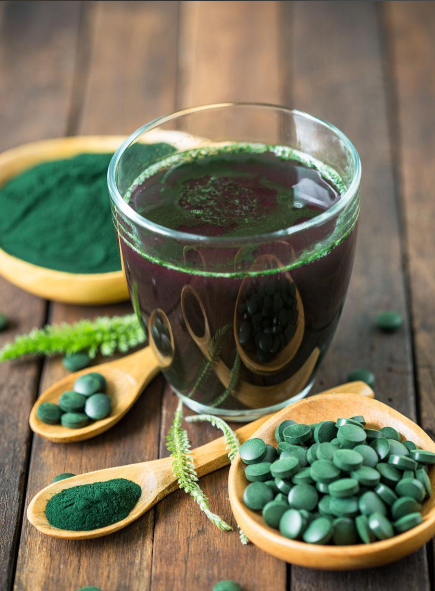
Today’s consumers no longer see spirulina as a niche health product. It appears in various forms including tablets, powder, energy bars and even plant-based beverages. Many Chinese families incorporate a small daily serving of spirulina powder into smoothies, porridge or baked goods to boost overall nutritional intake. Athletes and fitness enthusiasts particularly value its rapid-absorption protein and antioxidant properties, which accelerate post-workout recovery. As public awareness of preventive healthcare grows, spirulina is evolving from a specialized supplement into a mainstream daily nutrition choice.
FQA
- Q: Is Chinese-produced spirulina safe for long-term daily consumption?A: Yes. Most certified Chinese spirulina brands undergo strict heavy metal and microbial testing, with all indicators meeting both national food safety standards and international organic requirements. When purchased from formal channels, it is completely safe for continuous daily use.
- Q: How much spirulina should an average adult take each day?A: The recommended daily dosage ranges from 3 to 5 grams, approximately one teaspoon of powder or 4–6 standard tablets. This amount provides sufficient supplemental nutrition without overloading the digestive system.
- Q: Can spirulina help improve iron deficiency anemia?A: Absolutely. Spirulina contains highly bioavailable non-heme iron that is easier for the human body to absorb than iron from many plant sources. Clinical observations show consistent intake helps raise hemoglobin levels gradually.
- Q: Is spirulina suitable for vegetarians and vegans?A: It is an ideal vegan nutrition source. Unlike animal-based protein supplements, spirulina delivers complete protein, vitamin B12 and minerals without any animal ingredients, perfectly fitting plant-based dietary needs.
- Q: Does China’s large-scale production affect the natural ecosystem?A: Modern Chinese spirulina farms use recirculating water systems that minimize water waste. Most cultivation bases are built on non-arable saline-alkali land, avoiding occupation of farmland and creating new economic value from otherwise underutilized resources.
- Q: Will spirulina cause side effects like digestive upset?A: For most people, it is very mild on the stomach. New users can start with half the standard dosage in the first week and gradually increase, which helps the body adapt and avoids any potential temporary mild detox reactions.
Post time: Jul-21-2026


