


Against the backdrop of the global plant-based food boom that has pushed the 2026 global market to $95.07 billion, a traditional Chinese pantry staple is quietly gaining traction on European and American health-focused dining tables: cooked soybean powder. What began as a niche ingredient in Asian grocery stores has evolved into a mainstream plant-based alternative favored by baristas, bakers, and home cooks, bridging centuries of Chinese food wisdom with the modern global demand for clean-label, nutrient-dense foods.
From Local Pantry Staple to Global Plant-Based Sensation
Cooked soybean powder, made by roasting and grinding non-GMO soybeans, carries thousands of years of Chinese culinary heritage. It was traditionally used in desserts, grain porridge mixes, and homemade savory coatings, valued for its gentle nutty aroma and balanced nutrition. As the global plant-based sector moves past early hype and enters a refinement era centered on repeat consumption and authentic taste, Western consumers began seeking plant ingredients that skip unnecessary additives while delivering proven health benefits. Unlike many highly processed plant-based products that rely on complex flavor masking agents, Chinese cooked soybean powder arrives as a simple, minimally processed ingredient that aligns perfectly with the clean-label trends now dominating North American and European food markets.
Nutrition Profile That Matches Global Health Priorities
The rising popularity of cooked soybean powder traces directly to its naturally dense nutritional makeup, which fits exactly what modern health-focused shoppers are looking for. Each 100-gram serving of the product delivers roughly 21 grams of high-quality plant protein, over 10 grams of dietary fiber, alongside isoflavones, anthocyanins, and key minerals including calcium and iron. Clinical observations show that regular consumption of 50 grams of cooked soybean powder over 8 weeks can help lower low-density lipoprotein cholesterol by approximately 15%, while its natural prebiotic properties support healthy gut microflora balance. Unlike many imported plant protein sources that carry heavy carbon footprints, Chinese non-GMO soybean production offers a more sustainable, cost-effective option that resonates with eco-conscious Western consumers.
Cross-Scene Adaptation Opens New Market Space
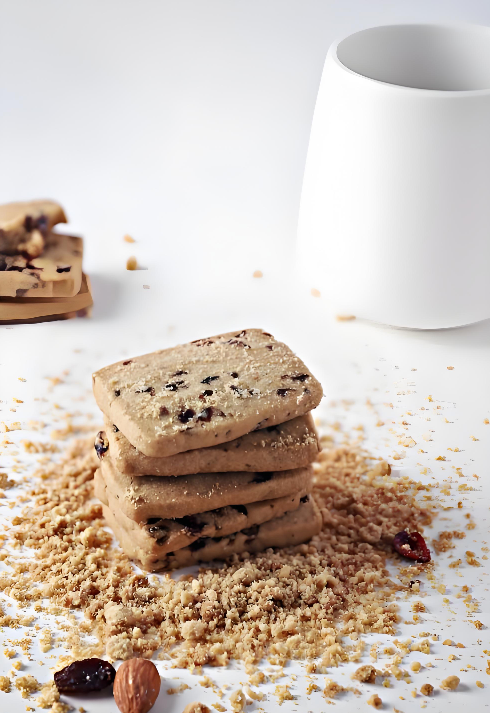
What truly pushed cooked soybean powder from specialty stores into mainstream supermarkets is its remarkable versatility across everyday eating scenarios. Coffee shops in Europe have begun blending it into oat milk to add a richer, creamier mouthfeel without extra thickeners, while home bakers swap a portion of wheat flour for it in cookies, breads and energy bars to boost protein content. It also mixes smoothly into smoothies, breakfast bowls and plant-based yogurt, filling a gap in the market for a neutral, nutrient-rich plant ingredient that does not overpower other flavors. This broad scenario adaptability, paired with growing demand for natural food thickeners that avoid artificial additives, has helped the product carve out a unique position in a crowded global plant-based market.
Chinese Supply Chain Advantage Underpins Global Expansion
China’s long-established non-GMO soybean planting bases and mature low-temperature grinding processing systems have created a steady, high-quality supply foundation for this global expansion. Many Chinese producers have completed international food safety certifications, allowing them to supply ingredient makers, food brands and restaurant chains across North America, Europe and Oceania. What once was a little-known traditional ingredient is now being integrated into Western product development systems, creating a new two-way exchange where Chinese food heritage meets global plant-based innovation.
Frequently Asked Questions
- What makes Chinese cooked soybean powder different from regular soy protein powder sold in Western markets?
Unlike highly extracted, isolated soy protein products, Chinese cooked soybean powder uses a simple roasting and grinding process that retains the bean’s natural dietary fiber, micronutrients and nutty flavor, with no artificial additives or flavor enhancers added. - Can cooked soybean powder be used by people following a gluten-free diet?
Yes, pure cooked soybean powder contains no gluten ingredients, making it a suitable plant protein option for people with celiac disease or gluten sensitivity, as long as no cross-contamination occurs during processing. - How should home consumers store cooked soybean powder to maintain its freshness?
It should be kept in a sealed, moisture-proof container away from direct sunlight. After opening, it is recommended to finish consumption within one month to preserve its original flavor and nutritional quality. - Is cooked soybean powder suitable for people new to plant-based diets?
Absolutely. Its mild, nutty taste and flexible application in drinks, baking and meals make it an easy entry point for people who want to add more plant nutrition to their daily routine without dramatic changes to their existing eating habits. - How does the carbon footprint of Chinese cooked soybean powder compare to other imported plant protein ingredients?
China’s mature local non-GMO soybean planting industry and short domestic processing chains help it deliver a lower overall carbon footprint than many plant protein products that rely on long-distance intercontinental raw material transportation. - Can cooked soybean powder be heated during cooking without losing its nutritional value?
The pre-roasting production process has already stabilized its core nutrients. Gentle heating during home baking or beverage preparation will not cause major loss of protein and dietary fiber, making it very friendly for a wide range of home cooking methods.
Post time: Sep-21-2026


