


Lead: As scientific research continues to uncover the profound benefits of natural antioxidants, lycopene has emerged as a pivotal nutrient for women’s health. Beyond its reputation for supporting heart health, this powerful pigment offers significant advantages for skin vitality, hormonal balance, and long-term disease prevention, marking a new era in nutritional wellness.
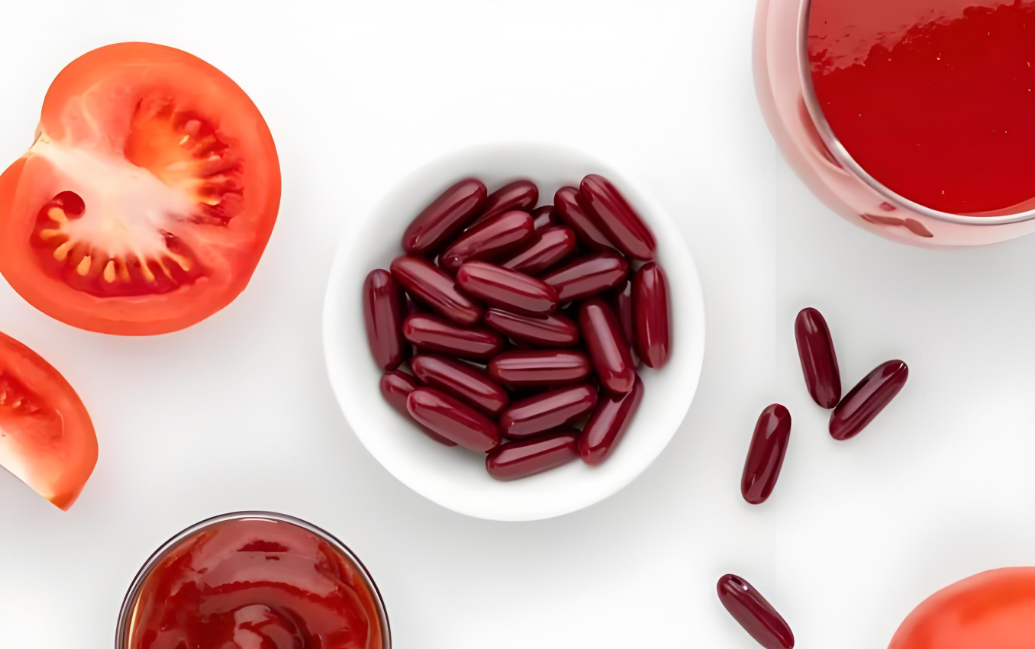
In the vibrant world of nutritional science, few compounds have garnered as much attention in recent years as lycopene. Best known as the pigment that gives tomatoes their rich red hue, lycopene is a potent carotenoid antioxidant. While it has long been celebrated for its role in men’s health, particularly regarding prostate support, a growing body of evidence suggests that women stand to gain equally, if not more, from incorporating this nutrient into their daily routines. From enhancing skin radiance to providing robust cellular protection, lycopene is reshaping how we approach female wellness.
The Glow from Within: Skin Protection and Anti-Aging
For many women, skincare is a daily ritual involving numerous topical products. However, true skin health begins internally. Lycopene acts as a natural shield against ultraviolet (UV) radiation. Studies indicate that regular consumption of lycopene-rich foods can increase the skin’s natural defense against sun damage, reducing the risk of erythema (sunburn) and photo-aging. Unlike synthetic supplements, dietary lycopene works synergistically with other nutrients to neutralize free radicals generated by UV exposure and environmental pollutants. This internal protection helps maintain collagen integrity, leading to firmer, smoother skin and a reduction in the appearance of fine lines and age spots. The result is not just healthier skin, but a visible, youthful glow that topical creams alone cannot achieve.
Hormonal Balance and Breast Health Support
One of the most compelling areas of research involves lycopene’s impact on hormonal health. Oxidative stress plays a significant role in the development of various hormonal imbalances and related conditions. Lycopene’s strong antioxidant properties help mitigate this stress, potentially offering protective benefits for breast tissue. Epidemiological studies have suggested an inverse relationship between high lycopene intake and the risk of certain types of breast cancer. By combating oxidative damage at the cellular level, lycopene supports the body’s natural defense mechanisms. Furthermore, for women experiencing perimenopause or menopause, the anti-inflammatory effects of lycopene may help alleviate some systemic symptoms associated with hormonal fluctuations, contributing to overall comfort and well-being during these transitional phases.
Cardiovascular Strength and Bone Density
Heart disease remains a leading health concern for women worldwide, often manifesting differently than in men. Lycopene contributes to cardiovascular health by helping to maintain healthy cholesterol levels and improving blood vessel function. Its ability to reduce oxidative stress in the arterial walls supports better circulation and lowers the risk of hypertension. Additionally, emerging research points to a positive correlation between lycopene intake and bone health. Post-menopausal women are at higher risk for osteoporosis due to declining estrogen levels. Antioxidants like lycopene may help reduce bone turnover and oxidative stress in bone tissue, thereby preserving bone density and reducing the likelihood of fractures. This dual benefit for both heart and bones makes lycopene a critical component of a holistic health strategy for aging women.
Frequently Asked Questions
Q1: What is the best way to consume lycopene for maximum absorption?
A: Lycopene is fat-soluble, meaning it is best absorbed when consumed with a source of healthy fat. Cooking tomatoes also breaks down cell walls, making the lycopene more bioavailable. Therefore, tomato sauce or paste cooked with olive oil is an excellent source.
Q2: Can I get enough lycopene from supplements alone?
A: While supplements are convenient, whole foods provide a complex matrix of nutrients that work synergistically. It is generally recommended to prioritize dietary sources like tomatoes, watermelon, pink grapefruit, and papaya, using supplements only if dietary intake is insufficient.
Q3: Are there any side effects to consuming high amounts of lycopene?
A: Lycopene is generally safe. However, excessive consumption may lead to lycopenemia, a harmless condition where the skin takes on a slight orange-yellow tint. This resolves once intake is reduced.
Q4: How long does it take to see benefits for skin health?
A: Clinical studies suggest that noticeable improvements in skin’s defense against UV damage and texture can be observed after 10 to 12 weeks of consistent daily intake.
Q5: Is lycopene beneficial for women of all ages?
A: Yes. While older women may benefit more from its protective effects against chronic diseases, younger women can benefit from its skin-protective and antioxidant properties, establishing a foundation for long-term health.
Q6: Does organic produce contain more lycopene?
A: The lycopene content is primarily determined by the ripeness and variety of the fruit rather than whether it is organically grown. Fully ripe, red tomatoes typically have the highest concentrations.
Post time: Jul-20-2026


