


Hebei Abiding Co., Ltd. breaks down the growing market for freeze-dried fruits and vegetables, highlighting unique advantages for health-focused consumers
As global demand for healthy, convenient natural food continues to rise, freeze-dried ingredients have emerged as a fast-growing segment in the food industry. Unlike traditional processed snacks, freeze-drying preserves the original nutrition and flavor of fresh produce with minimal additives, drawing attention from both food manufacturers and health-conscious shoppers. Hebei Abiding Co., Ltd., a leading supplier of processed fruit and vegetable products, shares a clear guide to freeze-dried goods and how they stand out from common low-temperature fried alternatives.
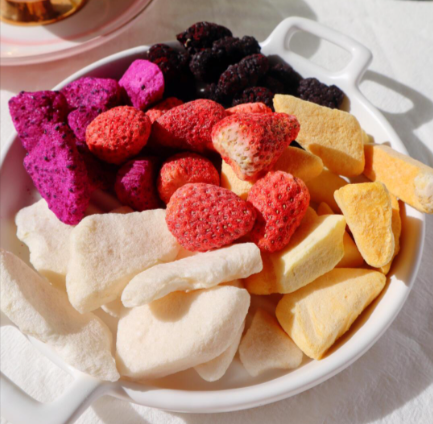
Freeze-Dried Products: A Gentle Processing Method for Fruits and Vegetables
Freeze drying, also known as lyophilization, is a low-temperature dehydration process that involves freezing fresh produce, reducing pressure, and removing ice via sublimation. This advanced technology leaves most nutrients, natural color, and flavor intact compared to other drying methods.
At Hebei Abiding Co., Ltd., we specialize in freeze-dried fruit and vegetable products, categorized into four versatile forms to fit different application scenarios: For vegetables, we offer diced/sliced frozen-dried vegetables (ideal for instant soups and ready meals), crushed vegetable pieces (for seasoning blends) and fine vegetable powder (for smoothies, baked goods and nutritional supplements). For fruits, we provide cut/sliced freeze-dried fruits (popular as ready-to-eat snacks), crushed fruit bits (for cereal and yogurt toppings) and fruit powder (for beverage bases and dessert formulations). All products are processed without artificial preservatives or added sugars, meeting international food safety standards for export and domestic distribution.
Core Differences Between Freeze-Dried and Low-Temperature Fried Products
While both low-temperature fried and freeze-dried products are shelf-stable, the two processing methods create vastly different end products:
First, the dehydration principle is fundamentally different. Low-temperature frying uses oil as a heat medium to remove moisture from produce, with a typical processing temperature between 100°C and 130°C. Freeze-drying removes moisture through sublimation at sub-zero temperatures, avoiding exposure to high heat.
Second, nutrient retention differs dramatically. High-heat processing in low-temperature frying degrades heat-sensitive vitamins like vitamin C and B vitamins, and breaks down some active plant compounds. Freeze-drying preserves over 90% of the original nutrients in fresh fruits and vegetables.
Third, flavor and texture set the two products apart. Low-temperature fried products absorb a significant amount of oil (often 15-30% of the final product weight), resulting in a greasy taste and higher calorie content. Freeze-dried products are oil-free, with a crisp, light texture that rehydrates quickly and retains the natural sweetness of fresh produce.
Finally, shelf life and storage differ: both are shelf-stable at room temperature, but freeze-dried products have a longer shelf life (12-24 months) without preservatives, thanks to their extremely low moisture content (below 5%).
Key Health Benefits of Choosing Freeze-Dried Products
For consumers and food manufacturers, freeze-dried fruits and vegetables offer multiple advantages that align with modern healthy eating trends:
First, they deliver near-fresh nutrition with zero additives. Because the low-temperature processing preserves most vitamins, minerals, and dietary fiber, freeze-dried produce is an easy way to add vegetable and fruit intake to busy daily routines.
Second, they are naturally low in calories and free of trans fats. Unlike low-temperature fried snacks, freeze-dried fruits and vegetables contain no added oil, so a 100g serving typically has 50-70% fewer calories than fried alternatives, making them suitable for weight management and balanced diets.
Third, they are extremely versatile. The different forms (blocks, slices, crumbs, powders) offered by Hebei Abiding Co., Ltd. can be used for everything from ready-to-eat snacks and instant meal ingredients to baking, beverage manufacturing and nutritional supplements, fitting a wide range of industry needs.
Finally, they have excellent convenience and shelf stability. Freeze-dried products are lightweight, room-temperature stable, and rehydrate quickly, making them ideal for outdoor activities, travel, and long-term food storage.
FAQ
Q: Are Hebei Abiding’s freeze-dried products additive-free?
A: Yes. All of our freeze-dried fruits and vegetables are produced with no added sugar, salt, preservatives, or artificial flavors. We only use fresh raw materials and the freeze-drying process to create pure, natural products.
Q: Can freeze-dried products be rehydrated for cooking? How long does rehydration take?
A: Yes. Our sliced, diced and crushed freeze-dried products can be rehydrated in warm water in 3-5 minutes, and can be used just like fresh vegetables and fruits for cooking, salads or other recipes.
Q: Do freeze-dried fruits have added sugar?
A: We offer both unsweetened pure freeze-dried fruits and lightly sweetened options for the snack market. All product formulations are clearly labeled, and we can customize sugar content to meet customer requirements.
Q: What is the shelf life of Hebei Abiding’s freeze-dried products?
A: When stored in a sealed, cool dry place away from direct sunlight, our freeze-dried products have a shelf life of 18 months, thanks to their moisture content of less than 4%, which prevents microbial growth without preservatives.
Q: How do freeze-dried calories compare to low-temperature fried fruit/vegetable snacks?
A: On average, freeze-dried fruit snacks have 1.5-2 kcal per gram, while low-temperature fried fruit/vegetable chips typically have 4.5-5.5 kcal per gram. Freeze-dried options have less than one-third the calories of fried alternatives, making them a much lighter snack choice.
Q: Does Hebei Abiding accept custom orders for different particle sizes of freeze-dried powder and crumbs?
A: Yes. We can adjust the size of slices, crumbs and the fineness of powder to meet the specific needs of food manufacturers, brand owners and distributors, with flexible MOQ for bulk custom orders.
Post time: Jun-05-2026


