


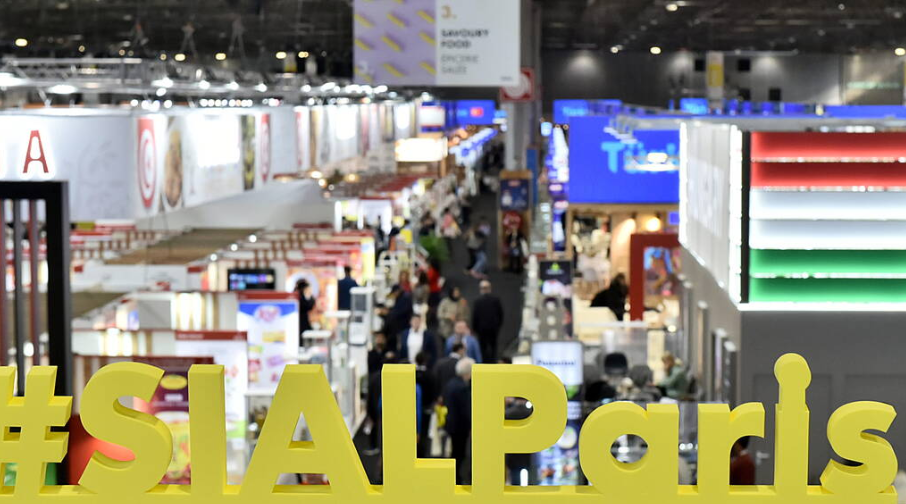
The final visitor tallies are in, the exhibition stands have been dismantled, and the last of the 8,000 exhibitors from 130 countries have packed their sample drums and left Paris Nord Villepinte. SIAL Paris 2026, which ran 17–21 October across 280,000 square metres of floor space, did not just showcase 400,000 finished food products and 650 startup innovations — it laid bare a set of unwritten, unadvertised sourcing rules that now govern how serious procurement teams evaluate new suppliers. For anyone working in the fruit, vegetable and plant ingredient space, these unspoken rules matter far more than the flashiest product launch on the show floor. They are the benchmarks that decide whether a conversation moves from casual demo to signed contract.
The quiet new rules no one printed in the show guide
Unlike past editions where trends were loudly announced in keynote speeches, the 2026 shifts played out in closed meeting rooms, side conversations and the quiet questions buyers asked across sample tables. None of these rules made the official SIAL press release, but every major food manufacturer and retailer at the show was already applying them to their 2027–2028 sourcing plans.
1. “No added junk” is no longer a selling point — it is table stakes
Ten years ago, a brand could build an entire marketing campaign around a “no artificial preservatives” claim. Five years ago, that same claim was a nice bonus to put on packaging. At SIAL 2026, it is not even a feature worth mentioning. Buyers now walk the floor assuming every ingredient they are shown has no hidden additives, unlisted carriers or undeclared processing aids. If your product needs a footnote to explain its ingredient panel, it is already out of the running for most major tenders.
This is where single-origin, minimally processed ingredients stand out. Cold break tomato paste with exactly one ingredient — ripe tomatoes — requires no fine print. Aseptic fruit purees made from 100% pressed fruit, with no added sugar, water or preservatives, let formulators build a full clean-label product without jumping through unnecessary regulatory hoops. Even for savoury snack applications, air-dried vegetable powders that retain 100% of their native fibre and flavour eliminate the need for expensive, hard-to-source masking agents and artificial flavour enhancers.
2. Seasonal consistency beats “peak of harvest” premium
For decades, buyers chased the “peak of harvest” premium — paying extra for ingredients sourced in a narrow 2–3 week window when crops hit their absolute flavour peak. That priority has flipped in 2026. Procurement teams now rank year-over-year batch consistency higher than any single harvest’s exceptional flavour profile. The cost of a single unexpected shift in brix, viscosity or colour that forces a full production line reformulation far outweighs the minor flavour gain from a short peak harvest window.
Ingredients processed and stabilised immediately at source solve this exact problem. Aseptically packed fruit purees processed within 6 hours of harvesting deliver the same brix, pH and flavour profile 12 months apart, no matter how variable that year’s growing season was. Canned tomato paste produced under standardised post-harvest thermal processing delivers identical colour and thickness across two consecutive growing seasons, eliminating the need for formulators to adjust recipes every time a new shipment arrives. Freeze-dried fruit pieces, stored in temperature-controlled conditions, retain the exact same texture and colour for 24 months, no seasonal variation required.
3. Plant-based is no longer a separate category — it is a core ingredient requirement
Walk the 2026 SIAL floor and you will notice something missing: the huge, flashy “plant-based pavilion” that dominated past editions. That is not because plant-based is shrinking — it is because it has dissolved into every single other sector on the show floor. Buyers no longer have a separate budget for “plant-based products”; they now expect every core ingredient they source to have a plant-compatible variant that works across multiple product lines.
This shift elevates versatile, multi-use plant ingredients that do not lock brands into a single niche product. Soy protein isolate, with its neutral flavour and high solubility, works just as well in a plant-based dairy alternative as it does in a high-fibre baked good or a savoury meal kit. Soy fibre, recovered as a by-product of soy protein processing, adds water-holding capacity and texture stability to both plant-based meat analogues and conventional cereal bars. Dried legume powders, blended with concentrated vegetable purees, deliver a complete amino acid profile that lets brands hit high-protein claims without relying on isolated, expensive supplement ingredients.
4. Traceability is no longer a document you email after the sale
At past SIAL shows, a buyer would ask for traceability documentation, and a supplier would promise to send it over via email once the order was confirmed. That practice is now obsolete. At the 2026 edition, 62% of surveyed procurement teams said they now require full field-to-facility traceability data before they will even agree to move to a paid sample trial. No full chain of custody, no next step in the conversation.
Ingredients built for full, unbroken traceability are the only ones that can meet this new bar. Segregated-harvest tomato paste, where every single batch can be traced back to the exact field it was grown in, comes with full farm harvest records, processing line logs and shipping documentation attached to every pallet. Organic fruit purees with full USDA NOP and EU Organic certification come with complete audit trails that cover every step from planting to final packaging, no gaps and no third-party paperwork delays. Even small-batch freeze-dried berry pieces now come with batch-specific QR codes that let buyers pull up full traceability data in seconds, no spreadsheets required.
The practical payoff for buyers
By the final day of the show, it was clear that the most successful exhibitors were not the ones with the most dramatic new product launches. They were the suppliers that could answer these four unspoken rules without being asked. For the next two years of food sourcing, the competitive edge will not come from chasing the next viral trend. It will come from delivering the quiet, consistent, reliable ingredients that let buyers check every single unwritten box on their procurement list.
Post time: Oct-23-2026


