


China, the world’s largest producer of konjac, has leveraged its unique geographical advantages and mature industrial system to make high-quality organic konjac products increasingly popular in global health food markets. With surging demand for low-calorie, high-fiber dietary options, Chinese organic konjac has achieved remarkable sales growth in North America and Eastern Europe, becoming a shining example of China’s characteristic agricultural products going global.
China’s Unmatched Production Advantage Lays a Solid Foundation
As the origin of konjac cultivation with thousands of years of history, China boasts irreplaceable geographical advantages for organic konjac production. Most core konjac planting areas are located in subtropical mountainous regions such as Sichuan, Guizhou and Yunnan, where warm and humid climates, fertile well-drained soil and moderate shading create perfect growing conditions for konjac. Data shows that China currently accounts for two-thirds of the world’s total konjac planting area and supplies 63% of global konjac raw materials, far outpacing other producing countries.
In key production areas like Sichuan’s Mianyang and Muchuan, standardized organic cultivation systems have been fully established. Local agricultural technology teams have overcome continuous cropping obstacles and disease problems through innovative technologies such as corn-konjac intercropping and microbial fertilizer improvement, increasing planting success rate to over 80% in technology-guided areas. Today, China has formed a complete industrial chain from seed breeding, standardized planting to deep processing, providing sufficient high-quality organic konjac raw materials for the global market. In 2022, China’s konjac market size has reached 3.98 billion yuan, with continuous growth in production and processing capacity.
Surging Sales in North America: A Staple Healthy Choice for Consumers
North America has become one of the fastest-growing markets for Chinese organic konjac products. Leading Chinese konjac enterprises such as Sichuan Sentaiyuan Biotechnology have successfully entered mainstream retail channels in the United States and Canada, with their organic konjac noodles, konjac rice and other products sold in more than 60 countries and regions worldwide. In January 2026, Sentaiyuan completed the delivery of a $4 million export order to the Americas, with the first batch of $1 million worth of goods entering Costco’s North American stores, gaining widespread recognition from local consumers.
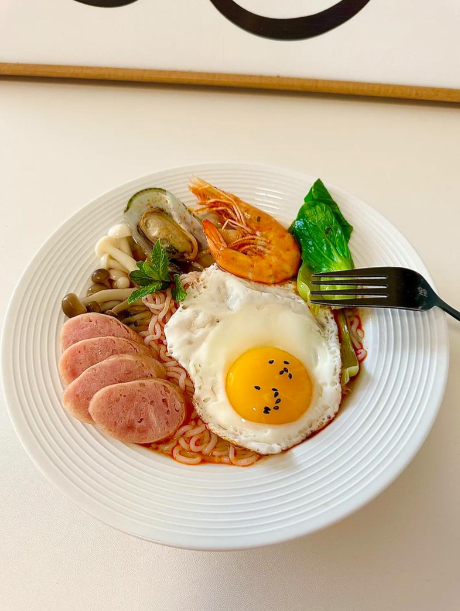
Driven by the popularity of low-carb and low-calorie diets, demand for konjac products in North America has grown rapidly in recent years. Many consumers use konjac noodles as a healthy alternative to traditional pasta, and konjac-based snacks and functional dietary supplements are also popular. Data from Chinese konjac exporters shows that the export volume of organic konjac products to North America has maintained an annual growth rate of more than 25%, and it is expected that the export volume to North America will exceed $12 million in 2026. U.S. online retail platform Amazon even saw Chinese konjac noodles sell out multiple times, reflecting the strong market recognition.
Rapid Expansion in Eastern Europe: Emerging Market Shows Great Potential
In recent years, Chinese organic konjac products have opened up the Eastern European market rapidly, with sales growing exponentially. As consumers in Eastern European countries increasingly pay attention to healthy diets, low-calorie, high-fiber konjac products have gradually entered the vision of local consumers. At present, Chinese organic konjac products have entered more than 4,700 supermarkets in EU countries including Poland, the Czech Republic, Hungary and other Eastern European countries, with sales volume increasing year by year.
In 2025, Sentaiyuan Biotechnology’s exports to Eastern European countries such as Germany, Poland and the Netherlands maintained a rapid growth momentum. From January to August alone, the export value to the region exceeded $12 million, and the full-year export growth rate is expected to reach 30%. Local distributors in Eastern Europe pointed out that as the concept of healthy eating gradually popularizes, more and more Eastern European consumers are trying Chinese organic konjac products, and the market penetration rate continues to increase. The stable product quality and competitive price of Chinese konjac products have won the trust of local consumers, and the future market space is broad.
Innovation and Upgrade: Helping Global Healthy Food Development
Relying on technological innovation, Chinese konjac enterprises continue to enrich product categories and meet the diversified needs of the global market. From traditional konjac powder to konjac noodles, konjac rice, konjac snacks, bionic food and other diversified products, Chinese enterprises have formed a complete product system. Leading enterprises have obtained international certifications such as BRC and HACCP, established strict food safety control systems, and product quality meets international standards. Today, more and more Chinese organic konjac products are going global, bringing healthy dietary choices to consumers around the world, and writing a new chapter in the global development of China’s characteristic agricultural products.
Frequently Asked Questions (FQA)
Q1: What makes China’s organic konjac more competitive than other producing countries?
A: China has unique geographical advantages for konjac growth, a complete industrial chain from planting to processing, and accounts for 63% of global konjac supply. Mature cultivation technology and standardized production system ensure stable product quality and sufficient supply, with obvious cost advantages compared with other producing regions.
Q2: Why is organic konjac popular in North America and Eastern Europe?
A: Organic konjac is low in calories and high in dietary fiber, which perfectly fits the global trend of healthy eating. North American and European consumers have high acceptance of low-carb, weight management friendly foods, and konjac can be made into a variety of flexible foods such as noodles and rice, which is easy to integrate into local eating habits, so it is widely welcomed.
Q3: What are the main organic konjac products exported from China to the global market?
A: The main export products include processed foods such as organic konjac noodles, konjac rice, konjac snacks (such as konjac konjac jelly, konjac vegetarian tripe), and raw materials such as purified konjac glucomannan powder, which is used as a food additive and dietary supplement. In recent years, the export proportion of deep-processed finished products has been increasing year by year.
Q4: How does China ensure the quality of organic konjac products exported?
A: Chinese export-oriented konjac enterprises generally establish standardized organic planting bases, strictly control planting links from seed selection to fertilization and pest control, and pass international organic certification and food safety certification such as BRC, HACCP. The whole production process follows international food safety standards to ensure product quality meets the import requirements of various countries.
Q5: What is the current sales volume of Chinese konjac in the global market?
A: In 2022, China’s domestic konjac market size reached 3.98 billion yuan, and the annual export volume continues to grow. Leading single enterprises such as Sichuan Sentaiyuan have an annual export volume of more than 24 million US dollars, and it is expected to exceed 30 million US dollars in 2026, with products sold to more than 60 countries and regions around the world.
Q6: What is the future development trend of global organic konjac market?
A: Driven by the global health consumption boom, the global konjac market maintains an average annual growth rate of about 11%, and the Chinese market growth rate reaches 18%. With the continuous expansion of application scenarios in healthy food, functional food and other fields, the global organic konjac market will maintain rapid growth in the next few years.
Post time: May-25-2026


