


As the global plant-based meat market continues to mature, manufacturers and consumers are increasingly demanding TVP (Textured Vegetable Protein) that balances clean labeling, low allergen risk, and realistic meat-like texture. Traditional soy-based TVP, once the industry standard, is now facing growing scrutiny over soy allergy concerns, GMO labeling requirements, and consumer demand for diverse protein sources. Today, the industry is witnessing a clear shift: pea and fava bean proteins are entering the mainstream, forming a new generation of multi-source TVP that addresses long-standing pain points for food producers. This news explores how blended formulations are reshaping the plant-based ingredient landscape.
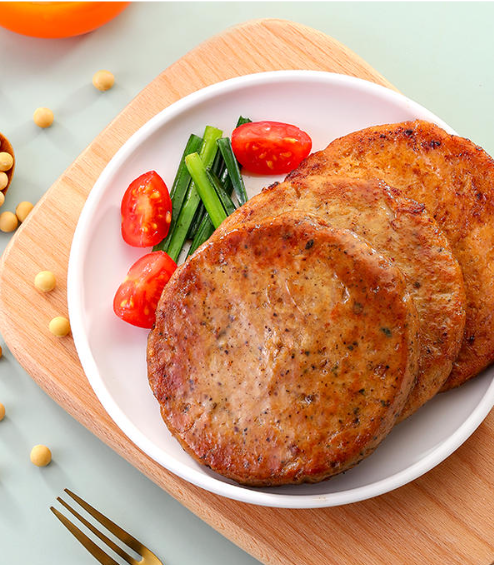
Why Single-Source Soy TVP Can No Longer Meet Modern Market Needs
For decades, soy has been the dominant raw material for TVP production due to its high protein content, excellent fiber structure, and low cost. However, as plant-based diets move from niche to mass market, its inherent limitations have become increasingly obvious. According to recent food safety data, soy ranks among the top 9 most common food allergens globally, restricting product access for 1–2% of adult consumers and up to 3% of children. Many EU and North American retailers now require clear “soy-free” labeling on plant-based products to meet allergen management regulations.
Beyond allergen risks, single-source soy TVP often struggles with sensory consistency. Many formulations produce a distinct beany aftertaste, and when used to simulate chicken or pork textures, they often feel too firm, dry, or crumbly, failing to replicate the juicy, fibrous mouthfeel of real meat. This is why leading food brands are actively searching for alternative protein blends that can fill these gaps.
How Pea + Fava Blends Redefine TVP Nutritional Profiles
The new generation of multi-source TVP replaces 60–80% of traditional soy content with non-GMO pea protein and fava bean protein, creating a complete amino acid profile without relying on major allergen sources. Pea protein naturally provides high levels of lysine and arginine, while fava bean protein adds balanced branched-chain amino acids, making the final product’s protein content reach 65–72% on a dry basis.
Unlike single-source pea TVP, which often produces a dry, powdery texture, the combination of pea and fava proteins creates a more uniform fiber network during the high-temperature extrusion process. This results in TVP products that rehydrate faster, hold moisture better, and maintain a tender, chewy structure after cooking. The final product is free from soy, gluten, dairy, and peanuts, making it suitable for vegan, kosher, halal, and clean-label product lines.
Texture Breakthrough: From Crumbly Filler to Realistic Meat Analogue
One of the biggest advantages of multi-source TVP lies in its customizable texture performance. By adjusting the ratio of pea to fava protein and fine-tuning extrusion temperature, pressure, and shear force parameters, manufacturers can produce TVP in different forms: minced meat style for burgers and meatballs, shredded style for plant-based chicken, and chunk style for stews and canned foods.
Independent tests show that this blended TVP maintains 92% of its structural integrity after 30 minutes of boiling, compared to just 68% for standard single-source soy TVP. It also absorbs seasonings more evenly, significantly reducing the “beany aftertaste” problem that has long troubled plant-based product developers.
Practical Benefits for Industrial Food Producers
For food manufacturers, switching to multi-source TVP brings clear operational advantages. It supports low-fat and low-sodium formulations, requires no special pre-treatment before processing, and shortens the rehydration time from 20 minutes to less than 8 minutes. This makes it highly compatible with large-scale industrial production lines for frozen foods, ready meals, and meat alternative products.
The raw material supply chain for non-GMO pea and fava beans is also rapidly expanding across Europe and North America, reducing reliance on single-region soy supplies and helping brands meet local sourcing and sustainability reporting requirements.
FQA
- Is multi-source pea and fava TVP 100% soy-free?Yes, this formulation does not contain any soy ingredients. It is produced exclusively from non-GMO pea protein and fava bean protein, making it completely free from soy allergens.
- Does it provide all nine essential amino acids?Absolutely. The complementary amino acid profiles of pea and fava protein combine to form a complete protein that delivers all nine essential amino acids required by the human body.
- How does its texture compare to traditional soy TVP?Multi-source TVP forms a more uniform fiber structure, offering better water-holding capacity, juicier mouthfeel, and far less crumbliness than standard soy TVP. It closely mimics the texture of real minced meat.
- What product categories is this TVP suitable for?It works perfectly in plant-based burgers, meatballs, chicken shreds, canned foods, frozen ready meals, and pet food applications. It can replace traditional soy TVP in almost all existing formulations.
- Does it have a pea or beany aftertaste?Our optimized extrusion process and precise protein ratio effectively eliminate the raw beany and grassy aftertaste commonly found in single-source pea TVP, delivering a neutral, clean base flavor.
- Is it certified for vegan and kosher markets?Yes, the product supports vegan, halal, kosher, non-GMO, and gluten-free certifications, making it suitable for global mainstream retail and food service channels.
Post time: Sep-22-2026


