


Once confined to the humble side of a bowl of hand-pulled noodles, spicy chili sauce is breaking free from its traditional culinary boundaries. From breakfast plates topped with crispy fried eggs to gourmet pizza menus in downtown New York, this fiery condiment is sparking a global flavor revolution that is rewriting the rules of how we experience everyday meals.
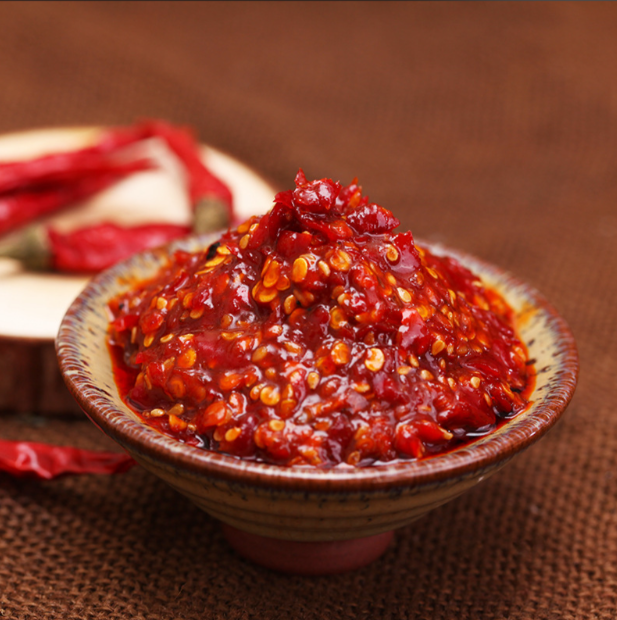
1. From Pantry Staple to Global Flavor Icon
For generations, chili sauce has been a quiet workhorse in kitchens across East Asia, stirred into dumpling dips or drizzled over steaming bowls of congee. Today, that narrative is shifting dramatically. According to a 2026 global food trend report, chili sauce sales outside of traditional Asian markets have surged 47% in the past three years, with 62% of new consumers saying they first tried the condiment outside of a classic noodle dish.
Chefs at casual dining chains are leading the charge, swapping ketchup for house-made chili sauce on breakfast sandwiches and blending it into creamy pasta sauces. What was once seen as a niche regional product is now being embraced as a versatile flavor base that brings depth, heat and umami to every course of the day.
2. The Unlikely Pairing That Took Breakfast by Storm
The most unexpected breakout hit of this chili sauce renaissance is its perfect match with the simple fried egg. Diners across Shanghai, Toronto and London are lining up for plates of runny-yolk fried eggs drizzled with garlicky chili crisp, a combination that turns a 2-minute breakfast into a layered, addictive experience.
Café owner Li Mei, whose signature chili oil fried egg toast has become a viral social media sensation, explains the magic: “The richness of the runny yolk softens the sharp heat of the chili, while the crispy bits of fermented bean and chili flake add a crunch you never knew a plain egg could have. Our customers tell us they can’t go back to eating eggs without it now.” This pairing has redefined the morning meal, proving that chili sauce doesn’t belong only on the dinner table.
3. Pizza’s New Secret Ingredient Is Not What You’d Expect
Even the sacred space of Italian-American pizza is getting a fiery makeover. Pizzerias in cities from Chicago to Seoul are adding chili sauce drizzles to their signature pies, pairing it with everything from classic pepperoni to sweet pineapple and smoked salmon. The result is a balance of tangy, spicy and cheesy that has customers coming back for extra bottles on every table.
Award-winning pizza chef Marco Rossi told our reporters, “At first I thought it would be a gimmick, but then I tried it on a white pizza with ricotta and honey. The heat cuts through the richness of the cheese, and the fermented notes add a complexity that regular red sauce can’t match. It’s not replacing traditional flavors—it’s making them better.” This cross-cultural fusion is turning chili sauce into a staple in one of the world’s most beloved comfort foods.
4. What’s Next for the Chili Sauce Revolution?
Food innovators are already pushing the boundaries even further, experimenting with chili sauce infused ice cream, cocktail mixers and even spicy chocolate bars. Industry analysts predict that by 2030, more than 30% of new packaged food products in Western markets will feature some form of fermented chili sauce as a core ingredient.
This movement isn’t just about adding heat to food—it’s about reimagining what a single condiment can do. What started as a simple way to liven up noodles has grown into a global conversation about breaking culinary borders, mixing traditions and finding new joy in the meals we eat every day.
FQA
- Q: Is this new wave of chili sauce very different from the traditional versions found in Asian grocery stores?
A: Many of the most popular new iterations keep the classic fermented chili, garlic and soybean base, but often adjust the heat level to be more accessible for new consumers, while adding unexpected twists like truffle, lime or smoked paprika to suit modern dining trends. - Q: How did the chili sauce and fried egg pairing first become popular?
A: The trend first spread through Chinese social media platforms in 2023, when home cooks began sharing videos of their 3-minute breakfast hacks. It quickly caught the attention of café owners, who turned the simple idea into signature menu items that went viral across global food communities. - Q: Does adding chili sauce to pizza actually work with traditional Italian flavor profiles?
A: Many Italian-trained chefs have embraced the combination, noting that the tangy, fermented heat pairs beautifully with tomato sauce, melted mozzarella and cured meats. It doesn’t replace classic pizza flavors, but adds an extra layer of depth that many diners find irresistible. - Q: Are there any health benefits to using chili sauce as a regular condiment?
A: Most traditional fermented chili sauces are rich in probiotics, vitamin C and capsaicin, which studies suggest can support metabolism and gut health. The key is choosing versions with low added sugar and preservatives to get the full nutritional benefits. - Q: Where can I find these new creative chili sauce variations if I want to try them at home?
A: Most major international supermarket chains now carry a wide range of artisanal chili sauces, and many small-batch producers sell directly through online platforms. You can also easily make your own version at home by simmering chili flakes, garlic, oil and fermented beans. - Q: Is this chili sauce trend just a passing food fad, or is it here to stay?
A: Industry data shows that chili sauce consumption has grown steadily for seven consecutive years, with more and more restaurants integrating it into permanent core menus rather than limited-time offers. Most food analysts agree it has already cemented its place as a permanent global staple.
Post time: Jul-23-2026


