


Lead: Dried chili peppers are a staple in global cuisines, adding bold flavor, vibrant color, and health benefits to countless dishes. But low-quality dried chilies can ruin a recipe and even pose food safety risks. We sat down with experts from Hebei Abiding Co., Ltd., a leading professional supplier of dried chili products, to learn how to pick the best dried chilies, understand their product offerings, and explore the benefits of including chili in your diet.
Hebei Abiding Co., Ltd.: Trusted Supplier of Diverse Dried Chili Products
As a professional producer and exporter of agricultural chili products based in Hebei, China, Hebei Abiding Co., Ltd. caters to global food manufacturers, restaurants, and retail consumers with a full range of standardized dried chili products tailored to different culinary needs. The company offers six core categories of dried chili products: whole dried chili peppers, which retain their full shape and texture for long-term storage and slow infusion of flavor; cut chili segments, ideal for stir-frying and braising where concentrated heat is desired; sliced chili rings, perfect for garnishing and quick cooking that requires even texture; green chili powder, made from dried unripe green chilies for a bright, herbaceous heat; sweet chili powder, crafted from mild sweet chili varieties to add rich color and gentle flavor without intense spiciness; and general chili powder, the versatile all-purpose option for everyday cooking, seasonings, and spice blends. All products are sourced from controlled chili plantations and processed with strict food safety testing to ensure consistent quality and purity.
The 4-Step Method to Identify Good Quality Dried Chilies
Whether you’re a home cook or a food industry buyer, the experts at Hebei Abiding share a simple 4-step test to tell high-quality dried chilies apart from low-quality batches.
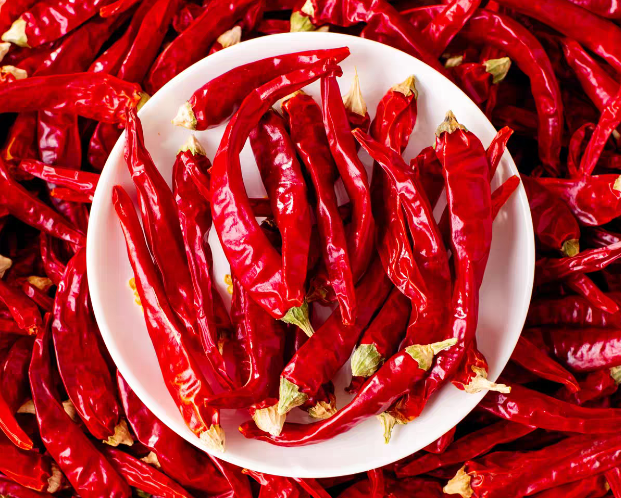
First, look at the appearance. High-quality dried chilies have a uniform, natural color: red chilies should be a deep, bright red rather than dull brown or faded pink, which indicates improper storage or prolonged exposure to sunlight. Check for signs of mold, insect holes, or excess stem and leaf debris. Avoid any dried chilies with white spots on the surface, as this is a common sign of mold growth during storage.
Second, touch the chili to check its moisture content. Good dried chilies should be dry and crisp to the touch, with no soft or limp spots. If the chili feels flexible or damp, it likely has a high moisture content that will lead to mold spoilage quickly, even when refrigerated. Overly dry chilies that crumble into dust when touched, however, have usually been stored for too long and lost much of their flavor.
Third, smell the chili. Fresh high-quality dried chilies have a strong, pungent, natural chili aroma with no off odors. Low-quality or spoiled chilies may smell musty, sour, or stale, a sign of mold or oxidation. Avoid any batches that have a bitter chemical smell, which can come from improper processing or preservative overuse.
Fourth, do a small taste test (for safe, food-grade batches). Good dried chilies will have a rich chili flavor, with a clean heat that doesn’t leave a bitter or rancid aftertaste. Any bitter, sour, or musty taste is a clear indicator of poor quality.
Health Benefits of Including Chili in Your Daily Diet
Beyond adding incredible flavor to meals, regular moderate consumption of chili offers a range of evidence-backed health benefits. Chili peppers contain capsaicin, the active compound that gives chilies their heat, which has been shown to boost metabolism, support healthy circulation, and reduce inflammation. Capsaicin may also help suppress appetite naturally, supporting healthy weight management when combined with a balanced diet. Dried chilies are also packed with nutrients: they are high in vitamin A, which supports eye health and immune function, vitamin C, an antioxidant that protects cells from damage, and dietary fiber that supports digestive health. Studies have also linked moderate capsaicin consumption to improved cardiovascular health and lower risk of certain chronic diseases.
FAQ
Q1: Does Hebei Abiding Co., Ltd. offer custom processing for private label chili products?
A: Yes, Hebei Abiding offers flexible custom processing and private label services for bulk buyers, including custom spice levels, particle sizes for powder products, and packaging tailored to retail or industrial needs. All custom orders still comply with the company’s strict international food safety standards.
Q2: How long can high-quality dried chili products be stored?
A: When stored in an airtight container in a cool, dry, dark place, whole dried chilies can last up to 12 months, while cut chilies and chili powder can last 6 to 8 months. Hebei Abiding’s vacuum-sealed bulk packaging extends shelf life for industrial and commercial use.
Q3: What’s the difference between green chili powder and regular red chili powder?
A: Green chili powder is made from dried unripe green chilies, so it has a brighter, more herbaceous, slightly grassy flavor with a cleaner heat compared to red chili powder, which has a deeper, earthier flavor profile. Green chili powder is popular in salsas, sauces, and Asian stir-fries.
Q4: How can I tell if dried chili powder has been adulterated with fillers?
A: Adulterated chili powder often has an uneven color, a very fine chalky texture, and a weak chili aroma. To test, add a small spoonful of powder to a glass of clear water: pure chili powder will leave only light natural discoloration, while adulterated powder with added dyes will turn the water bright red immediately, and fillers will settle at the bottom. Hebei Abiding’s chili powders are 100% pure with no added fillers or artificial dyes.
Q5: Are Hebei Abiding’s dried chili products tested for food safety?
A: Yes, every batch of dried chili product from Hebei Abiding undergoes third-party testing for aflatoxins, heavy metals, pesticide residues, and microbial contaminants to meet international food safety standards including EU, FDA, and ISO 22000 requirements.
Q6: What’s the best way to store dried chili products to keep them fresh?
A: For best results, store whole dried chilies in an airtight glass or plastic container in a cool, dark cabinet away from heat and moisture. For cut chilies and powder, keep them refrigerated after opening to preserve flavor and prevent moisture absorption, which can lead to mold.
Post time: Jun-04-2026


