


As the world’s largest ketchup producer, China’s export sector is navigating a complex global market where packaging requirements vary dramatically across regions, consumption scenarios and supply chain models. From 200g squeezable PET bottles for supermarket shelves to 200kg aseptic industrial drums for food manufacturers, leading Chinese exporters are building flexible, scenario-based packaging systems to satisfy clients spanning retail brands, industrial processors and private-label retailers worldwide.
1. Retail End: 200g–1kg Consumer Packaging for Branded Supermarket Shelves
For retail-oriented clients in the EU, North America and Southeast Asia, packaging is no longer just a container but a core part of product differentiation. Many Chinese exporters now offer 200g–1kg squeezable PET bottles with at least 25% rPET content, flat ergonomic shapes that allow full emptying to reduce food waste, and local-language label customization covering nutrition facts, halal/kosher marks and recycling instructions. Unlike traditional cylindrical PP bottles, these new designs help overseas clients stand out on crowded supermarket shelves while meeting regional sustainability regulations.
2. Industrial Bulk: 200kg Aseptic Drums Built for Ultra-Long-Distance Logistics
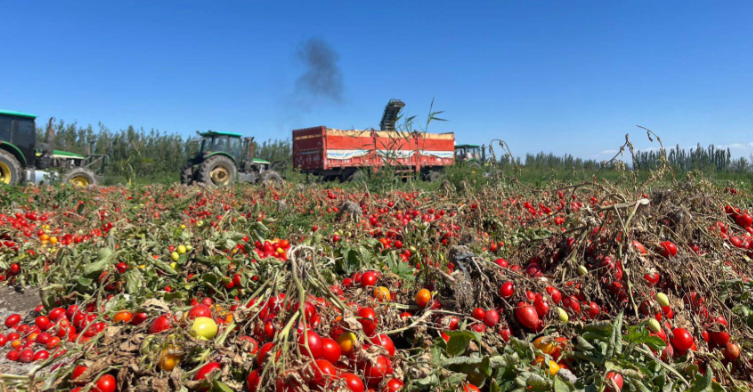
China’s core tomato production bases are concentrated in Xinjiang, where finished ketchup must travel 3,000–4,000 km overland to eastern ports before being shipped overseas. This unique logistics environment has pushed local manufacturers to refine the 200kg galvanized steel drum system, which wraps UHT-sterilized ketchup inside a multi-layer aseptic bag protected by a 0.8–1.2mm thick iron shell. The structure delivers over 500kg of compressive strength and keeps transport breakage rates below 0.5%, far outperforming alternative packaging options. This solution has become a standard choice for global food processors that need stable, low-risk bulk raw materials for further sauce blending.
3. Mid-Size Segments: 3kg–20kg Flexible Packaging for Food Service and Co-Packers
Between retail mini packs and industrial drums, the 3kg–20kg segment for restaurants, fast-food chains and co-packers has emerged as a fast-growing differentiated track. Chinese exporters now supply bag-in-box, aseptic carton bags and food-grade pail formats that avoid repeated opening contamination, reduce leftover waste and fit standard commercial kitchen storage racks. These products are tailored to different usage rhythms: fast-food chains prefer 3kg anti-squeeze bags for continuous dispensing, while catering distributors choose 10–20kg drum packaging for longer inventory cycles.
4. Sustainability and Compliance: Aligning Packaging Systems with Global Rules
Today’s global ketchup clients no longer judge packaging only by cost and protection performance. They require full traceability of packaging materials, zero non-food-grade additives, and design compatibility with local recycling systems. Leading Chinese exporters have built a full-process verification mechanism covering raw material procurement, aseptic filling and pre-shipment testing, ensuring every packaging format meets EU food contact regulations, U.S. FDA standards and Middle East market import requirements.
FQA
- Q: Why do many European clients prefer 200g–500g squeezable PET bottles instead of glass jars?A: Squeezable PET bottles are lighter, shatter-resistant, easier for consumers to fully empty, and can be produced with high rPET content to meet EU carbon reduction targets.
- Q: What is the main advantage of 200kg iron drum packaging compared with plastic drums?A: Galvanized steel drums offer over 500kg compressive strength, keep breakage rates below 0.5% during long-distance overland and maritime transport, and provide more reliable physical protection for the inner aseptic bag.
- Q: Can Chinese exporters provide private-label label design and printing services for small-batch 200g retail packs?A: Yes, most leading export manufacturers support full private-label customization, including local language text, certification marks and brand color matching, even for relatively small order volumes.
- Q: How do Chinese ketchup packaging solutions adapt to different climate zones during shipping?A: Packaging materials are selected and tested according to destination, with high-temperature-resistant aseptic bags for tropical routes and anti-freeze reinforced outer protection for winter shipping to high-latitude regions.
- Q: What is the typical lead time for a new customized packaging format from sample confirmation to mass shipment?A: Most suppliers can complete packaging material verification, trial filling and formal production within 15–30 days, depending on order volume and the complexity of label and structure customization.
- Q: Are there packaging options specifically designed for halal and kosher certified markets?A: Yes, exporters can provide full food contact material documentation, dedicated production line scheduling and independent third-party testing reports to ensure the entire packaging process complies with halal and kosher requirements.
Post time: Sep-04-2026


