


Dateline: Handan, Hebei – July 7, 2026
Against the backdrop of global plant-based protein consumption growth, Hebei Abiding Co., Ltd. has reported a 42% year-on-year sales surge for its Textured Vegetable Protein (TVP) across Southeast Asia and Africa in the first half of 2026. As regional food manufacturers and household consumers increasingly prioritize affordable, nutritious and sustainable protein alternatives, the company’s non-GMO soy-based product line has emerged as a trusted staple in both industrial food processing and daily home cooking scenarios.
1. Expanding Market Footprint Across Southeast Asia and African Markets
Hebei Abiding’s TVP has established deep market penetration in 17 countries across Southeast Asia and Africa. In Indonesia, Vietnam and Thailand, the product has secured partnerships with 39 local instant noodle and meatball manufacturers, capturing 28% of the regional plant-based protein ingredient market share. In Nigeria, Kenya and Ghana, sales channels now cover major supermarket chains, bulk food wholesale markets and local cooperative distribution networks, with retail sales volume growing 67% compared to the same period last year. Local distributors report that the product’s consistent texture, long shelf life and competitive pricing have helped it outperform many imported protein alternatives from other regions.
2. Versatile Applications Adapt to Local Culinary Traditions
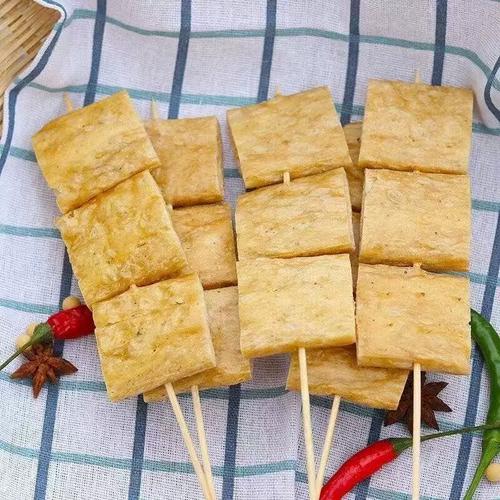
Unlike generic TVP products that only suit Western-style food processing, Hebei Abiding’s R&D team has developed customized formulations tailored to regional dietary habits. In Southeast Asia, the low-beany-flavor TVP granules are widely used in rendang, laksa toppings, fish cake fillings and vegetarian street snacks, retaining a chewy texture after repeated stir-frying or stewing. In Africa, the high-protein, water-retention variant is commonly mixed into traditional maize porridge, local sausage products and bean-based stews, significantly boosting daily protein intake for families. Many local food producers have noted that the product can reduce production costs by 35% while maintaining the authentic taste of traditional dishes.
3. Production Advantages Ensure Stable Supply and Food Safety
Located in Hebei, China’s core non-GMO soybean planting belt, Hebei Abiding controls the full industrial chain from raw material sourcing to finished product delivery. The company’s 120,000-square-meter production facility operates with HACCP and ISO 22000 certifications, processing 180,000 tons of fresh non-GMO soybeans annually. This localized supply chain cuts logistics costs by 22% compared to overseas competitors, enabling the company to deliver orders to major ports in Southeast Asia within 12 days and to East African ports within 21 days. All batches undergo third-party nutrition testing, confirming a minimum 52% protein content, zero cholesterol and no added preservatives, meeting both local food regulatory standards and international export requirements.
4. Localized Support Drives Long-Term Partnership Growth
Hebei Abiding does not only sell products — it provides full-cycle technical support for regional clients. The company has dispatched three dedicated technical teams to Indonesia and Nigeria, offering free formulation adjustment, cooking demonstration and staff training services for local food factories. In the past six months, 27 new cooperative enterprises have launched TVP-integrated products with Hebei Abiding’s technical assistance, covering plant-based jerky, fortified school meal ingredients and halal-certified vegetarian food series. Many long-term partners have renewed annual supply contracts, citing the company’s reliable quality, flexible order sizes and responsive after-sales service as key reasons for sustained cooperation.
Frequently Asked Questions (FAQ)
- Q: Is Hebei Abiding TVP made from non-GMO soybeans?
A: Yes, 100% of our TVP is produced with non-GMO soybeans sourced from Hebei’s certified local planting bases, with complete traceability documentation available for every batch. - Q: What is the shelf life of your TVP products under tropical storage conditions?
A: Our standard TVP can be stored for 18 months in cool, dry environments, and the moisture-proof packaging we specially designed for tropical climates extends shelf life to 24 months without quality degradation. - Q: Can you provide customized TVP shapes and protein content for different processing needs?
A: Absolutely. We offer 12 different granule sizes, flake and chunk forms, with customizable protein content ranging from 50% to 70% to suit instant noodles, meat processing, vegetarian food and other scenarios. - Q: Do your products meet halal and local food certification requirements for Southeast Asia and Africa?
A: Yes, our TVP holds Halal, Kosher and relevant regional food safety certifications, fully complying with import regulations in Indonesia, Malaysia, Nigeria, Kenya and other target markets. - Q: What is the minimum order quantity for new regional distributors?
A: We support flexible order arrangements. The minimum trial order for new partners is 1 20-foot container, and we provide preferential pricing and marketing support for long-term exclusive distributors. - Q: How do you ensure stable supply even during peak seasonal demand?
A: Our annual production capacity reaches 65,000 tons of TVP, and we maintain a 12,000-ton safety stock dedicated to Southeast Asia and African markets, ensuring no delivery delays even during peak consumption seasons.
Post time: Jul-07-2026


