


Lead: Once confined to traditional tea ceremonies and trendy lattes, matcha is undergoing a radical transformation. In 2026, this vibrant green powder has transcended the beverage sector, infiltrating beauty, healthcare, and cultural tourism. As global demand surges and Chinese production dominates 70% of the market, investors and entrepreneurs are asking: beyond the initial hype, where do the real, sustainable commercial opportunities lie?
The Rise of Specialized Stores and Cultural Integration
The matcha boom is no longer just about adding a flavor to existing menus; it is about creating dedicated experiences. While major tea brands have heavily promoted matcha series, the specialized store sector remains fragmented with no absolute market leader yet. Brands like “Zhen Cha Wu” have validated profitable models, with some stores achieving monthly revenues exceeding 500,000 yuan. However, taste alone is no longer a sufficient barrier to entry.
Successful brands are now leveraging cultural heritage and scenario innovation. For instance, “Mo Ji Matcha” has integrated matcha into cultural tourism, locating stores in historic districts and tourist areas to offer immersive Song Dynasty-style tea whisking experiences. This strategy transforms matcha from a simple consumable into a cultural touchpoint, appealing to the growing “Guochao” (national trend) consumer base. The opportunity here lies in combining retail with experiential tourism, creating high-margin services alongside product sales.
Expansion into Beauty and Personal Care
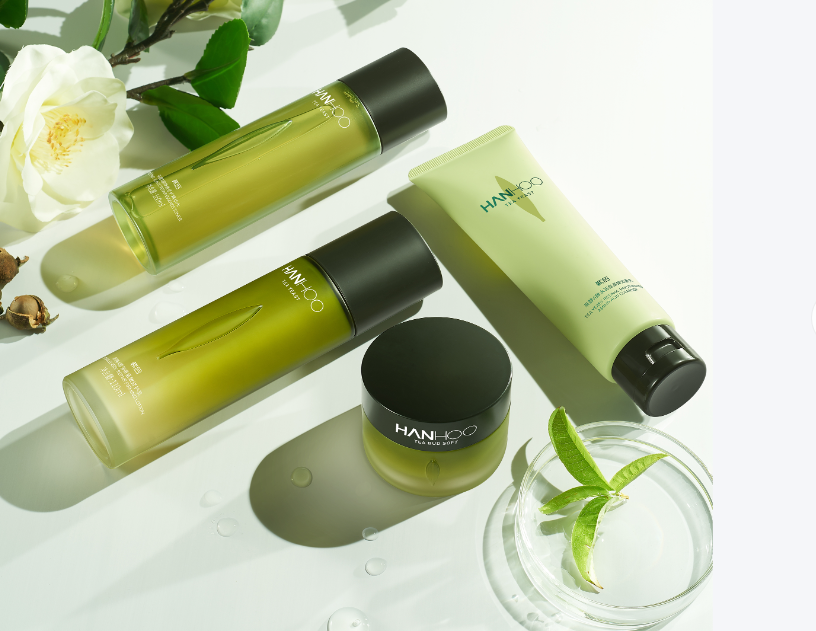
Perhaps the most surprising crossover is matcha’s entry into the beauty industry. Rich in antioxidants, catechins, and chlorophyll, matcha offers tangible skincare benefits, including anti-inflammatory and anti-aging properties. Companies in Tongren, Guizhou, have successfully launched matcha-infused lip balms, hand creams, and even incense. These products have seen high repurchase rates, with one brand selling over 3,000 units of matcha hand cream in a single month.
This shift represents a move from “edible” to “usable,” expanding the product lifecycle and usage scenarios. For beauty brands, collaborating with matcha suppliers allows for natural, clean-label positioning that resonates with health-conscious consumers. The untapped potential here includes developing high-end skincare lines that emphasize the specific bioactive components of shade-grown tea, differentiating them from generic green tea extracts.
Health Supplements and Functional Food Innovation
Beyond aesthetics, matcha’s functional health benefits are driving growth in the wellness sector. With its high content of L-theanine and polyphenols, matcha is being marketed for stress relief, focus enhancement, and metabolic regulation. The future of matcha lies in “Health + Matcha” innovations, such as low-sugar, organic, and functional supplements.
Supply chain advancements are crucial here. As Chinese producers refine their processing techniques—moving from rough grinding to precise micro-pulverization—they are able to produce higher-quality powders suitable for pharmaceutical and premium supplement use. The opportunity exists in creating ready-to-drink functional beverages, meal replacements, and even pre-prepared foods that incorporate matcha for its health credentials, moving beyond the dessert aisle into daily nutritional routines.
Frequently Asked Questions (FAQ)
Q1: Why is matcha becoming popular outside of the beverage industry?
A: Matcha is rich in antioxidants and has a unique umami flavor. Its versatility allows it to be easily integrated into cosmetics for its skin benefits and into health supplements for its calming and metabolic effects.
Q2: Is the market for matcha specialty stores saturated?
A: No. While many tea shops offer matcha, there are few dominant players in the dedicated specialty store segment. There is still significant room for growth, particularly in lower-tier cities and through cultural tourism integration.
Q3: What are the key advantages of Chinese matcha?
A: China produces 70% of the world’s matcha. Regions like Guizhou offer ideal growing conditions at latitude 27°N. Chinese brands are increasingly focusing on quality control and cultural storytelling, breaking the historical dominance of Japanese matcha.
Q4: How can brands differentiate themselves in the crowded matcha market?
A: Differentiation comes from source traceability, cultural depth (such as Song Dynasty tea ceremonies), and cross-industry innovation (e.g., matcha in hotpot or skincare). Building a strong brand identity rather than just selling a commodity is key.
Q5: What are the emerging trends in matcha product development?
A: Trends include “Health + Matcha” (functional claims like focus and antioxidant support), “Guochao + Matcha” (cultural heritage), and “Cross-border + Matcha” (unexpected combinations like matcha with alcohol or savory dishes).
Q6: Is investing in the matcha supply chain a viable opportunity?
A: Yes. As demand grows for high-quality, food-grade, and cosmetic-grade matcha, upstream investments in processing technology and organic certification offer long-term stability and higher margins compared to retail alone.
Post time: Sep-20-2026


