


News Lead
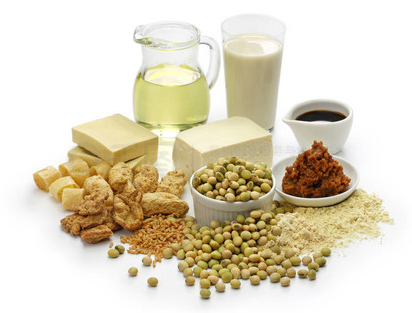
Tofu, the 2,000-year-old Chinese plant protein staple, is getting a modern makeover with a game-changing technique that skips the traditional bean-soaking step entirely. Using raw soy flour as the starting material, this simplified production method has swept across Chinese family kitchens and industrial workshops, and is now gaining massive popularity in Japan’s plant-based food market, bringing a new wave of convenient, nutrient-dense soy products to global diners.
The Step-by-Step Craft of Making Tofu From Raw Soy Flour
Unlike the traditional process that requires 8-12 hours of soaking whole soybeans, the soy flour tofu method cuts the workflow down to less than 1 hour. Producers first mix 150 grams of pure raw soy flour with 900 grams of room-temperature water, stirring slowly to form a completely smooth, lump-free paste to avoid any grainy texture in the final product. Next, they pour this soy emulsion into 1,000 grams of boiling water, stirring gently over medium heat and letting it simmer for 3 to 5 minutes to fully activate the soy protein and eliminate anti-nutritional factors. After turning off the heat, they add a pre-diluted coagulant — either food-grade gypsum, magnesium chloride or natural vinegar — slowly into the 85℃ soy milk, stirring gently until fine, fluffy curds start to form. The curds are then poured into a gauze-lined mold, wrapped tightly and pressed with a light weight for 30 to 60 minutes to drain excess water, resulting in a block of firm, silky, naturally fragrant tofu.
Unmatched Advantages of the Soy Flour Tofu Technique
This innovative method brings multiple benefits that traditional whole-bean tofu production cannot match. First, it drastically reduces production time and space requirements, making it accessible for home cooks without large stone grinders or soaking tanks. Second, it retains nearly 100% of the soybean’s original nutrients, including high-quality plant protein, dietary fiber, iron, magnesium and soy isoflavones, with zero nutrient loss during the soaking and residue-filtering steps. The tofu made this way has a higher protein density, smoother texture and purer bean flavor, with no bitter aftertaste often found in traditionally made tofu. It also cuts water consumption by over 40% compared to conventional processes, making it a far more eco-friendly production option that aligns with global sustainable food trends.
Soy Flour Tofu Takes Japan’s Plant-Based Market by Storm
Japan, a nation with a centuries-long love for tofu, has embraced this Chinese-originated technique with overwhelming enthusiasm. Local leading soy food enterprises have launched a full line of innovative products based on soy flour tofu, including shelf-stable long-life tofu that stays fresh for 10 months without any preservatives, plant-based cheese alternatives, and ready-to-eat tofu pizza bases. Japanese consumers now consume over 60 grams of soy products per capita daily, and the convenient, consistent quality of soy flour tofu has become a top pick for busy office workers and health-focused families. Major supermarket chains across the country now dedicate entire shelves to these new soy flour tofu products, with annual sales growing by over 30% for three consecutive years.
FQA
- Q: Is tofu made from raw soy flour as nutritious as traditional whole-bean tofu?
A: It is actually more nutrient-dense in many aspects. The soy flour method skips the long soaking and full residue-filtering steps, retaining nearly 100% of the soybean’s natural dietary fiber, vitamins and minerals, while the protein digestibility still reaches over 95%, fully meeting daily nutritional needs for people of all ages. - Q: Can I make soy flour tofu at home without professional equipment?
A: Absolutely. You only need pure raw soy flour, a regular cooking pot, a fine gauze and a simple mold. The whole process takes less than 1 hour, no stone grinder or large soaking container is required, making it perfect for home cooks to make fresh, additive-free tofu on demand. - Q: What coagulants can be used for soy flour tofu, and are they safe?
A: You can choose food-grade gypsum, magnesium chloride (bittern) or even natural white vinegar as the coagulant. All these options are widely recognized as safe food additives by global food safety authorities, and the amount used in tofu production is far below the safety threshold for daily consumption. - Q: Why has soy flour tofu become so popular in Japan?
A: It perfectly fits Japanese consumers’ demand for convenient, preservative-free, long-shelf-life plant-based food. The technique allows producers to make shelf-stable tofu that does not require cold chain transportation, and can be easily processed into creative products like plant-based cheese and ready-to-eat meals that match modern fast-paced lifestyles. - Q: Does soy flour tofu have a different taste from traditional tofu?
A: It has a purer, smoother natural bean flavor with no bitter or astringent aftertaste that sometimes appears in traditionally made tofu. The texture can be adjusted by controlling the pressing time, so you can make soft, tender silken tofu or firm, chewy firm tofu according to your personal preference. - Q: Is this soy flour tofu production method more eco-friendly than traditional processes?
A: Yes, it reduces water consumption by over 40% by eliminating the long soybean soaking step, and cuts energy use by nearly 50% thanks to the shortened production cycle. It also generates far less waste water, making it a far more sustainable production solution for large-scale industrial tofu manufacturing.
Post time: Jul-02-2026


