


Can a basket of crisp, sun-ripened organic apples picked from remote mountain orchards in late autumn stay fresh and usable as a high-quality industrial raw material for 12 months a year? This question has long puzzled the global fruit processing industry, and the latest technological breakthroughs in concentrated organic apple juice production have finally delivered a definitive, industry-redefining answer.
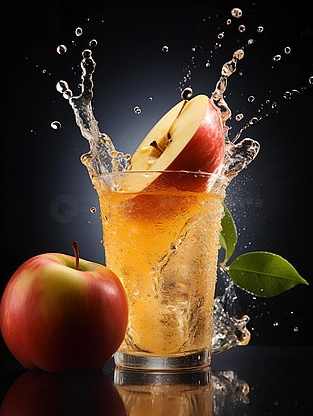
Industry Context & Market Data FoundationThe global organic fruit processing market is currently facing a long-standing structural bottleneck: 68% of fresh apple supplies are concentrated in a 3-4 month annual harvest window, while downstream food, beverage and nutrition enterprises demand stable raw material supply across all four seasons. According to 2025 industry statistics from the International Fruit and Vegetable Processing Association, the global concentrated organic apple juice market has exceeded 2.3 million metric tons, with a year-on-year growth rate of 7.2%. More notably, over 62% of downstream manufacturers now prioritize concentrated juice products that can maintain consistent flavor and nutritional activity beyond 12 months, a figure that was only 34% five years ago. This rapidly expanding market demand is pushing the entire industry to accelerate the phase-out of traditional, preservation-dependent processes.
Core Process Breakdown: The Transformation From Fresh Fruit to ConcentrateThe entire upgraded production chain begins at the mountain orchard, where freshly harvested organic apples are transported to processing facilities within 2 hours of picking to lock in initial freshness. The first critical upgrade step is low-temperature ultrasonic cleaning, which removes surface impurities without damaging the fruit’s epidermal nutritional layer, a 30% improvement in cleaning efficiency over traditional water rinsing methods. Next comes precision crushing and low-shear juicing, which avoids excessive mechanical damage to apple cell walls, retaining 92% of the original fruit’s natural polyphenols. The most revolutionary link is the 3-stage falling film low-temperature concentration system, which operates at a controlled 45°C under vacuum conditions. Unlike traditional high-temperature evaporation processes that destroy flavor compounds, this technology removes excess water while preserving over 90% of the apple’s original aroma substances. Finally, the aseptic cold filling process, conducted in a 100,000-class sterile workshop, seals the concentrated juice in food-grade storage bags, eliminating the need for any synthetic preservatives while achieving a 18-month shelf life.
On-Site Visit to Diverse Application ScenariosDuring an on-site inspection at a leading beverage manufacturer in North China, we observed that this concentrated organic apple juice serves as the core base material for 17 different product lines, ranging from 100% pure apple juice drinks to fermented apple cider vinegar. In the functional food workshop, nutrition technicians use it as a natural sweetener carrier for probiotic meal replacement powders, replacing 40% of the added white sugar in the original formula. Even in the high-end baby food sector, the concentrated juice, which has passed 361 pesticide residue testing standards, is directly used to produce infant fruit puree products, with no additional additives required in the entire production process.
Health Attributes & Consumer Awareness PopularizationMany consumers still hold the misconception that concentrated juice is “additive-heavy and nutritionally depleted”. Industry senior engineer Li Na explained in an interview: “Qualified concentrated organic apple juice produced through modern low-temperature processes only removes pure water from fresh apples. Its natural sugars, dietary fiber fragments, polyphenols and vitamin C content are all naturally concentrated multiples of the original fruit, with no added preservatives, colors or flavors. When diluted according to the standard ratio, it is completely consistent with the nutrition and flavor of freshly squeezed juice.” Recent consumer survey data shows that the public’s correct recognition of this concept has risen from 21% in 2022 to 57% in 2025.
Industry Future Outlook & Closing FocusAs global consumers’ demand for clean label and minimally processed food continues to rise, the concentrated organic apple juice industry is moving towards more intelligent and low-carbon production directions. The next generation of membrane concentration technology currently under research is expected to further reduce production energy consumption by 40%, while retaining more trace nutritional components in apples. What was once a seasonal agricultural product will eventually grow into a year-round stable, high-quality industrial core raw material, building a more efficient, low-loss value connection between remote mountain orchards and millions of consumers’ tables.
FAQ
- Q: Does concentrated organic apple juice require preservatives to achieve long-term storage?A: No. Modern low-temperature aseptic cold filling technology creates a completely sterile sealed environment for the product, which can achieve an 18-month shelf life without adding any synthetic preservatives.
- Q: What is the standard dilution ratio for concentrated organic apple juice, and is its flavor consistent with fresh juice?A: The standard dilution ratio is usually 1 part concentrated juice to 6 parts pure water. Products produced through low-temperature concentration processes can retain over 90% of the original apple aroma, and the flavor after dilution is almost identical to freshly squeezed organic apple juice.
- Q: What is the difference between organic concentrated apple juice and ordinary concentrated apple juice on the market?A: Organic concentrated apple juice uses 100% organically planted apples as raw materials, which have strictly prohibited the use of chemical pesticides and fertilizers during the planting process, and the number of pesticide residue testing items is more than 3 times that of ordinary products.
- Q: Can concentrated organic apple juice be directly used in infant food production?A: Yes. High-quality concentrated organic apple juice that has passed strict food safety testing can be directly used in the production of infant fruit puree and complementary food products without adding extra ingredients.
- Q: How much fresh apples are needed to produce 1 ton of concentrated organic apple juice?A: It usually takes about 8-9 tons of high-quality fresh organic apples to produce 1 ton of 70° Brix concentrated organic apple juice.
- Q: Will the low-temperature concentration process destroy the nutritional content in apples?A: The 45°C vacuum low-temperature concentration process can retain more than 92% of the natural polyphenols and more than 85% of the vitamin C in fresh apples, which is far higher than the nutritional retention rate of traditional high-temperature evaporation processes.
Post time: Aug-03-2026


