


Dried chilies have evolved from a niche regional spice to a $3.8 billion global trade staple in 2025, with varieties spanning tiny, fiery cherry peppers to slender, milder long chilies. As culinary cultures collide and industrial demand surges, industry analysts are debating which category has cemented itself as the international market’s most reliable, high-value “hard currency”.
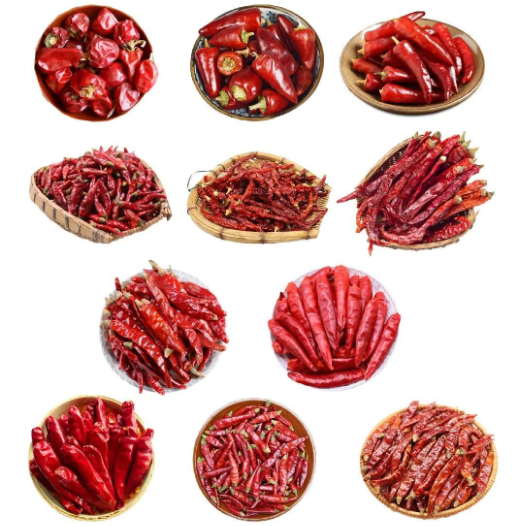
1. The Global Dried Chili Trade Landscape: A $3.8 Billion Market in Flux
In 2025, global dried chili exports hit 2.1 million metric tons, marking a 7.2% year-on-year growth driven by booming demand in fast-food chains, processed food manufacturing, and ethnic cuisine penetration across North America, Europe, and Southeast Asia. Major producing nations including India, China, Mexico, and Peru now account for 82% of total global supply, each leaning into distinct chili varieties to carve out market share. While cherry peppers, long red chilies, cayenne peppers, and other categories all see steady consumption, their performance in cross-border trade, price stability, and industrial versatility varies dramatically, creating a clear hierarchy of market value.
2. Breakdown by Variety: Strengths and Weaknesses of Top Dried Chilies
Cherry peppers, known for their round shape, bright red color, and sharp, consistent heat, are primarily used in pickling, hot sauce blends, and garnish products. Their global export volume reached 128,000 tons in 2025, but their high moisture content and short shelf life limit long-haul shipping, making them a niche, high-priced product rather than a mainstream trade staple. Long red chilies, by contrast, dominate with a 47% global market share: their low moisture, thick flesh, balanced heat, and rich natural color make them ideal for grinding into chili powder, producing chili flakes, and manufacturing instant food seasonings. Cayenne peppers, with extreme Scoville heat levels, cater to industrial extract buyers, while paprika-type dried chilies focus on the European and American spice seasoning markets, holding smaller, more segmented positions.
3. Price Stability and Supply Chain Resilience: The True Mark of “Hard Currency”
A commodity qualifies as a market “hard currency” only when it delivers consistent pricing, predictable annual supply, and a global, diversified buyer base. Data from the International Spice Association shows that long red chilies have maintained a 9.3% price fluctuation range over the past five years, far lower than cherry peppers’ 31.7% volatility driven by small harvest volumes and regional supply shocks. Major global fast-food and seasoning giants now sign 3–5 year long-term procurement contracts for long red chilies, locking in annual trade volumes above 600,000 tons. This consistent, large-scale demand has turned the variety into the most widely accepted, easily tradable dried chili across international ports.
4. Future Market Shifts: New Demand Patterns Reshaping the Ranking
While long red chilies currently hold the top spot, emerging trends are beginning to shift the landscape. The 2025–2030 market forecast projects that specialty high-heat cherry pepper exports will grow at a 12% compound annual rate, outpacing the 6.8% growth of long red chilies, driven by rising consumer interest in artisanal hot sauces and premium snack products. Even so, industry experts note that long red chilies will retain their “hard currency” status for at least the next decade, thanks to their unmatched versatility across both household and industrial food sectors.
Frequently Asked Questions (FQA)
- Q: What is the total value of the global dried chili trade in 2025?A: The global dried chili trade reached $3.8 billion in 2025, with total export volume hitting 2.1 million metric tons, driven by rising demand in processed food and ethnic cuisine markets.
- Q: Why are long red chilies more widely traded than cherry peppers?A: Long red chilies have low moisture content, a long shelf life, balanced heat, and strong adaptability for industrial processing, making them far easier to ship long distances and use across a huge range of food products, unlike cherry peppers which have strict storage limits.
- Q: Which countries are the top global dried chili exporters?A: India, China, Mexico, and Peru are the four largest dried chili exporters, together accounting for 82% of total global supply, each specializing in different varieties to meet regional market demands.
- Q: What makes a dried chili a “hard currency” in the international market?A: The key criteria are stable pricing over multiple years, large and consistent annual supply, a diversified global buyer base, and wide industrial versatility that ensures steady cross-border trade flows.
- Q: Will cherry peppers overtake long red chilies in market share in the next 5 years?A: No, while cherry pepper exports are growing at a faster 12% annual rate, they occupy a small niche premium market, and long red chilies will retain their dominant “hard currency” position with a 47% global market share for at least the next decade.
- Q: What is the biggest factor driving current global dried chili demand growth?A: The primary driver is the rapid expansion of global fast-food chains and processed food manufacturers, which rely on large volumes of standardized, cost-effective dried chilies to produce seasonings, chili powder, and snack ingredients.
Post time: Aug-26-2026


