


Buoyed by the global clean eating boom and rising demand for plant-based functional ingredients, Chinese organic matcha powder is rapidly gaining share in key developed markets. With a diversified product line-up fully aligned with international food safety requirements, Chinese producers are outpacing traditional suppliers to hold leading sales positions in Japan, the U.S. and Europe.
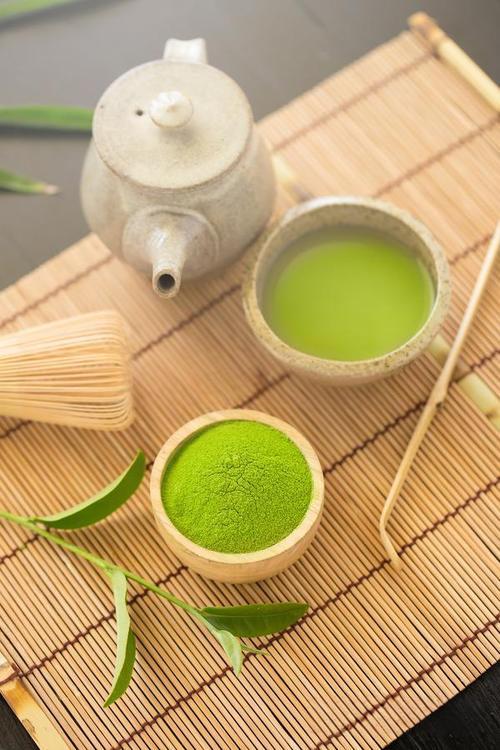
Diversified Grades and Products Cater to Global Market Needs
Unlike the narrow product structure of traditional matcha producing regions, China’s organic matcha industry has developed a full-category product matrix to cover all global consumer and industrial demand. Ranging from premium ceremonial-grade organic matcha for direct brewing, to culinary-grade options for baking, beverage blending and confectionery manufacturing, Chinese producers also offer customized solutions including low-caffeine matcha, cold-water soluble matcha, nano-grade fine matcha for nutraceuticals, and flavored matcha blends for ready-to-drink products.
All products are manufactured in strict compliance with international food safety rules, holding multiple authoritative certifications including USDA Organic, EU Ecocert, JAS Organic and China Organic Product certification. Each batch of matcha undergoes third-party testing for pesticide residues, heavy metals and microbial contaminants to meet the strict import standards of Japan, the U.S. and the European Union. For example, China’s leading organic matcha brand QXV sources raw leaves from high-altitude organic plantations in Guizhou, where natural fertile soil and cloud-shrouded growing conditions meet the highest organic cultivation requirements, with full supply chain traceability from plantation to finished product.
Strong Sales Growth Captures Leading Market Share
Chinese organic matcha powder has secured impressive sales advantages across Japan, the U.S. and Europe in recent years. In Japan, the birthplace of traditional matcha, Chinese organic culinary-grade matcha now accounts for over 40% of the bulk raw material market, thanks to its stable quality and competitive pricing. Major Japanese confectionery and beverage brands increasingly source bulk organic matcha from China to cut production costs while maintaining consistent flavor, with total annual sales of Chinese organic matcha in Japan growing by 15% year-on-year.
In the U.S. market, Chinese organic matcha holds 36% of total import volume, with year-on-year sales growth exceeding 18% over the past three years. The booming matcha latte and bubble tea trends have driven strong demand, as independent cafes and chain brands turn to Chinese organic matcha for its reliable quality and affordable price. In Europe, Chinese organic matcha sales have grown even faster, with a compound annual growth rate of 21% since 2020, and Chinese products now hold 30% of the total organic matcha market in Germany, France, the Netherlands and other major European countries.
Standardized Production System Lays the Foundation for Global Compliance
To ensure consistent compliance with global food safety requirements, China’s organic matcha producers have built standardized whole-process production systems. From organic plantation management to finished processing, every step follows international GMP and HACCP food safety management standards. Producers use advanced low-temperature milling technology to retain the natural antioxidants and flavor compounds in matcha, while eliminating artificial additives including pigments, flavors and preservatives to meet the global demand for clean-label products.
Chinese regulators have also updated national organic food standards to align fully with international norms, implementing regular spot checks on export products to ensure quality and safety. This combination of industry self-regulation and government oversight has helped Chinese organic matcha build a solid reputation among global buyers, laying the groundwork for continued sales expansion in major developed markets.
Frequently Asked Questions
Q1: What international certifications do Chinese organic matcha powders hold?
A: Most mainstream Chinese organic matcha products exported to global markets hold multiple third-party certifications tailored to target regions, including USDA Organic for the U.S., EU Ecocert for the European Union, and JAS Organic for Japan. All certifications are issued by authorized international bodies and fully meet the import requirements of each market.
Q2: What makes Chinese organic matcha more competitive in Japan, the U.S. and Europe?
A: Chinese organic matcha has three core competitive advantages: first, a diversified product line that meets the needs of different application scenarios, from premium ceremonial brewing to large-scale food processing; second, strict quality control that meets all international food safety standards, with full traceability; third, more competitive pricing thanks to large-scale production and efficient supply chains, making it more cost-effective than many other producing regions.
Q3: What applications is Chinese organic matcha suitable for?
A: Chinese organic matcha covers all common application scenarios: ceremonial-grade products are suitable for traditional hand-brewed matcha drinks, while culinary-grade options are ideal for baking, matcha lattes, bubble tea, ice cream, confectionery, and even skincare products and dietary supplements. Producers can also customize particle size, caffeine content and solubility for specific customer needs.
Q4: Are Chinese organic matcha products free of additives and residual pesticides?
A: Certified organic matcha from regular Chinese producers contains only 100% pure shade-grown tea leaves, with no added sugar, preservatives, artificial flavors or colors. All organic plantations use physical pest control and natural fertilizers, with zero synthetic pesticides, and every batch is tested by third-party laboratories to confirm zero residual pesticide and heavy metal contamination, in line with global food safety standards.
Q5: What is the current sales share of Chinese organic matcha in major global markets?
A: Currently, Chinese organic matcha holds more than 40% of the bulk raw material market in Japan, 36% of total organic matcha import volume in the U.S., and roughly 30% of the organic matcha market in the European Union, and market share continues to grow steadily year-on-year.
Q6: What is the future growth outlook for Chinese organic matcha exports?
A: Industry analysts forecast that Chinese organic matcha exports will maintain 12-15% annual growth over the next five years, driven by rising global demand for healthy natural ingredients. Chinese producers are continuing to innovate new products to expand into niche segments, including sugar-free matcha blends and functional matcha fortified with vitamins, which will further strengthen sales advantages in major global markets.
Post time: Jun-10-2026


