


In recent years, the global demand for plant-based protein has been on a steady rise, driven by growing health consciousness, environmental concerns, and a shift towards sustainable diets. Among the various plant-based protein sources, textured soy protein (TSP) from China has emerged as a star player, making a significant impact in the European market. Let’s take a closer look at this remarkable ingredient, its benefits, how to identify high-quality products, and answer some common questions.
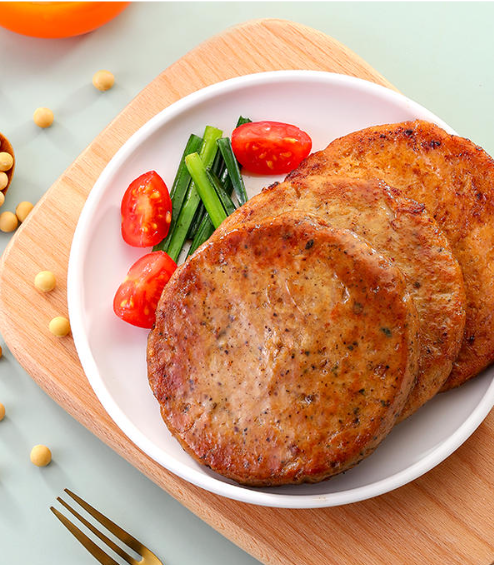
What is Textured Soy Protein?
Textured soy protein is a plant-based protein product derived from defatted soy meal or soy protein concentrate through extrusion cooking and other processes. It undergoes a structural transformation, forming a fibrous and elastic network that closely mimics the texture and chewiness of meat. Available in various forms such as granules, chunks, strips, and filaments, TSP has a protein content ranging from 50% to 70%, depending on the specific product type. It is a complete protein source, containing all essential amino acids required by the human body, and is free from cholesterol and saturated fats.
Eight Key Benefits of Textured Soy Protein for Humans
1. High-Quality Protein Source
Textured soy protein is a rich source of high-quality protein, with an amino acid profile that closely resembles that of animal proteins. It provides all the essential amino acids needed for muscle growth, repair, and maintenance. For vegetarians, vegans, and individuals looking to reduce their meat consumption, TSP serves as an excellent alternative to meet their daily protein requirements.
2. Heart-Healthy
Unlike animal proteins, textured soy protein is low in saturated fats and contains no cholesterol. It also contains plant sterols, which can help lower blood cholesterol levels by inhibiting the absorption of cholesterol in the intestines. Regular consumption of TSP may reduce the risk of cardiovascular diseases such as heart attacks and strokes.
3. Weight Management Support
TSP is high in protein and dietary fiber, which can increase satiety and reduce appetite. By promoting a feeling of fullness, it helps control calorie intake and supports healthy weight management. Additionally, its low-fat content makes it a suitable choice for those looking to maintain a balanced diet.
4. Blood Sugar Regulation
The dietary fiber in textured soy protein slows down the digestion and absorption of carbohydrates, preventing rapid spikes in blood sugar levels. This is particularly beneficial for individuals with diabetes or those at risk of developing the condition, as it helps maintain stable blood glucose levels.
5. Bone Health Promotion
Textured soy protein contains isoflavones, which have been shown to have a positive effect on bone health. They can help increase bone density and reduce the risk of osteoporosis, especially in postmenopausal women who are more susceptible to bone loss due to declining estrogen levels.
6. Digestive Health Enhancement
The dietary fiber in TSP promotes regular bowel movements and supports a healthy digestive system. It acts as a prebiotic, feeding the beneficial bacteria in the gut and maintaining a balanced gut microbiome. This can improve digestion, reduce the risk of constipation, and enhance overall gut health.
7. Immune System Boost
Protein is essential for the production and function of immune cells. Textured soy protein provides the necessary amino acids to support a strong immune system, helping the body fight off infections and diseases. Its antioxidant properties also help reduce oxidative stress and protect cells from damage.
8. Environmental Sustainability
Producing textured soy protein has a much lower environmental impact compared to animal agriculture. It requires less land, water, and energy, and produces fewer greenhouse gas emissions. By choosing TSP over meat, individuals can contribute to a more sustainable food system and help combat climate change.
How to Identify High-Quality Textured Soy Protein
1. Check the Ingredient List
High-quality textured soy protein should have a simple and clean ingredient list, with soy as the primary ingredient. Avoid products that contain excessive additives, preservatives, or artificial flavors and colors. Look for non-GMO and organic certifications, as these indicate that the soy used is free from genetic modification and grown without synthetic pesticides and fertilizers.
2. Assess the Texture and Appearance
Good-quality TSP should have a uniform texture and appearance, with no signs of clumping, discoloration, or foreign particles. When rehydrated, it should have a firm and chewy texture that closely resembles meat. The color should be a natural light brown or beige, depending on the specific product.
3. Evaluate Protein Content
Check the nutritional information label to ensure that the textured soy protein has a high protein content. Ideally, it should contain at least 50% protein per 100 grams. Higher protein content indicates a more concentrated and nutritious product.
4. Consider the Source and Brand
Choose products from reputable brands that have a proven track record of quality and safety. Look for brands that source their soy from reliable suppliers and follow strict production standards. Reading customer reviews and testimonials can also provide valuable insights into the quality of the product.
5. Test the Rehydration Ability
High-quality textured soy protein should have good rehydration properties. When soaked in water or broth, it should absorb the liquid evenly and expand to a desirable size and texture. Avoid products that are difficult to rehydrate or become mushy after soaking.
FAQ: Common Questions About Textured Soy Protein
Q: Is textured soy protein suitable for people with soy allergies?
A: No, individuals with soy allergies should avoid textured soy protein, as it is derived from soybeans and can trigger allergic reactions. Symptoms of soy allergy may include hives, itching, swelling, difficulty breathing, and digestive issues. If you have a soy allergy, it’s important to read food labels carefully and avoid any products that contain soy or soy derivatives.
Q: Can textured soy protein be used as a direct substitute for meat in recipes?
A: Yes, textured soy protein is an excellent meat substitute and can be used in a wide variety of recipes. It can be rehydrated and seasoned to mimic the flavor and texture of ground meat, chunks of beef, or chicken. It is commonly used in dishes such as burgers, meatballs, chili, stir-fries, and casseroles. However, it’s important to note that TSP may require different cooking times and methods compared to meat, so it’s advisable to follow recipe instructions specifically designed for plant-based proteins.
Q: How should textured soy protein be stored?
A: Textured soy protein should be stored in a cool, dry place, away from direct sunlight and moisture. Once opened, it should be sealed tightly to prevent exposure to air and humidity. Unopened packages can typically be stored for up to 12 months, while opened packages should be used within a few months. Rehydrated TSP should be refrigerated and consumed within 3-4 days.
Q: Does textured soy protein contain any anti-nutrients?
A: Like other soy products, textured soy protein may contain small amounts of anti-nutrients such as phytic acid and trypsin inhibitors. However, these anti-nutrients are significantly reduced during the processing of TSP, especially through extrusion cooking. The levels of anti-nutrients in high-quality TSP are generally considered to be safe for consumption and do not pose a significant health risk. In fact, the benefits of consuming TSP far outweigh any potential concerns related to anti-nutrients.
Q: Is textured soy protein suitable for children?
A: Yes, textured soy protein can be a nutritious addition to a child’s diet, as long as it is introduced appropriately and in moderation. It provides a good source of protein, essential amino acids, and other nutrients that are important for a child’s growth and development. However, it’s important to ensure that children also consume a balanced diet that includes a variety of other foods to meet all their nutritional needs. If you have any concerns about introducing TSP to your child’s diet, it’s best to consult a pediatrician or a registered dietitian.
Q: Can textured soy protein help with muscle building?
A: Yes, textured soy protein can support muscle building and recovery. It contains all the essential amino acids, including branched-chain amino acids (BCAAs), which are crucial for muscle protein synthesis. When consumed as part of a balanced diet and combined with regular exercise, TSP can help increase muscle mass and strength. However, it’s important to note that the protein quality and digestibility of TSP may be slightly lower than that of some animal proteins, so individuals looking to maximize muscle growth may need to consume slightly more TSP to achieve the same effect.
Post time: May-18-2026


