


As consumers around the world shift their focus from overly processed snacks to nutrient-dense, eco-friendly alternatives, a humble tropical fruit is undergoing a remarkable transformation. Freeze-dried bananas, once a niche camping staple, are now emerging as a front-runner in the global healthy food revolution, blending bold new flavor innovations, shifting market dynamics, and sustainable production practices to redefine what a fruit snack can offer.
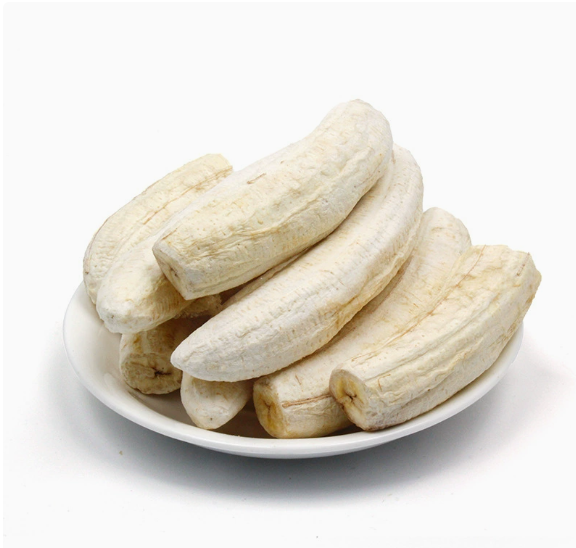
Innovative Flavor Development Breaks Traditional Snack Boundaries
What was once a simple, plain freeze-dried banana slice has evolved into a canvas for culinary creativity. Leading food tech brands are rolling out unexpected combinations that retain 98% of the fruit’s original nutrients while delivering layered taste experiences. Recent launches include matcha-infused freeze-dried banana bites coated in organic white chocolate, spicy chili-lime seasoned slices for savory snack lovers, and even probiotic-blended variants designed to support gut health during busy workdays. Unlike traditional banana chips fried in palm oil, these new products use no added preservatives, artificial flavors, or excess sugars, catering to both adventurous eaters and health-conscious consumers who refuse to compromise on taste. R&D teams report that they have spent over 18 months refining the freeze-drying process to lock in natural sweetness without any additives, creating a light, crispy texture that melts in the mouth while preserving the fresh, ripe aroma of just-harvested bananas.
Global Healthy Food Trend Drives Explosive Market Growth
The rise of freeze-dried bananas aligns perfectly with the $120 billion global healthy snack market, which is projected to grow at a 7.2% CAGR through 2030. Post-pandemic consumer surveys show that 68% of shoppers now prioritize snacks with recognizable, short ingredient lists, and 72% actively seek products that offer functional health benefits beyond basic calories. Freeze-dried bananas check every box: they are rich in potassium, dietary fiber, and vitamin B6, have zero added sodium, and contain only 110 calories per 25-gram serving. Fitness enthusiasts are replacing sugary energy bars with the slices for pre-workout fuel, parents are packing them in school lunchboxes as a mess-free alternative to fresh bananas that easily bruise, and office workers are keeping jars on their desks to beat mid-afternoon energy crashes. Major retail chains across North America, Europe, and East Asia have expanded their shelf space for the product by 300% in the last 12 months alone, responding to overwhelming consumer demand that has outpaced initial supply forecasts by 45%.
Market Feedback Reveals Surprising Consumer Loyalty
Early market data from test regions tells a compelling story of consumer satisfaction. A recent independent survey of 2,000 regular freeze-dried banana buyers found that 83% consider the product a “permanent staple” in their weekly grocery list, not just a one-time novelty. Repeat purchase rates hit 67% within 90 days of first trial, far exceeding the 22% average for new snack launches. Social media platforms have seen over 12 million posts tagged with #FreezeDriedBananaSnack, where users share creative ways to use the product: sprinkling crushed slices on yogurt bowls, adding them to homemade trail mix, or even using them as a natural sweetener in smoothie recipes. Many consumers highlight that the product solves a long-standing frustration with fresh bananas: they never go brown, never attract fruit flies, and can be stored for up to 18 months without refrigeration, making them ideal for small apartments, long road trips, and emergency food kits.
Sustainable Production Models Reduce Food Waste Across the Supply Chain
Beyond health and taste, the biggest breakthrough of the freeze-dried banana industry lies in its commitment to environmental responsibility. Traditional banana supply chains waste up to 30% of harvests because supermarkets reject perfectly edible fruits that are slightly too small, have minor blemishes, or do not meet strict cosmetic standards. Freeze-drying factories now partner directly with smallholder banana farms to purchase these “imperfect” fruits that would otherwise be discarded, diverting over 12,000 tons of food waste from landfills in 2024 alone. The latest freeze-drying technology uses 40% less energy than older industrial models, and 92% of the packaging for leading brands is now home compostable, eliminating single-use plastic waste. Many producers have also launched tree-planting initiatives, where every 10 bags of freeze-dried bananas sold funds the planting of one native fruit tree in tropical growing regions, creating a circular economy that supports local farming communities while protecting biodiversity.
Frequently Asked Questions
- Does freeze-drying destroy the natural nutrients in bananas?
No, the low-temperature freeze-drying process preserves over 98% of the original potassium, fiber, and vitamin content, far more effectively than traditional baking or frying methods. - Are these products suitable for people with common dietary restrictions?
Most standard freeze-dried banana slices are naturally vegan, gluten-free, and nut-free, making them safe for people with most common food allergies, though flavored variants should always be checked for specific ingredient labels. - How long can I store an unopened bag of freeze-dried bananas?
When kept in a cool, dry place away from direct sunlight, unopened bags can stay fresh for up to 18 months, no refrigeration required. - Why are freeze-dried bananas more expensive than fresh bananas?
The advanced low-temperature processing technology and sustainable sourcing practices add production costs, but the product’s zero-waste shelf life and nutrient density make it a cost-effective choice for long-term use. - Can children and toddlers eat freeze-dried bananas safely?
Yes, the soft, melt-in-mouth texture makes them an ideal first solid food for toddlers, as long as they are supervised while eating to prevent choking risks. - Do flavored variants contain hidden added sugars?
All reputable brands clearly list every ingredient on their packaging, and most new innovative flavors use only natural fruit sugars without adding refined cane sugar or high-fructose corn syrup.
Post time: Jul-03-2026


