


Against the backdrop of global consumers’ growing focus on bone health, nutrient bioavailability and clean-label ingredients, high-purity calcium lactate is rapidly replacing traditional calcium carbonate as a preferred calcium source in premium pet nutrition and functional food sectors. This news explores how this ingredient reshapes industry standards through its unique solubility, safety profile and cross-scenario adaptability.
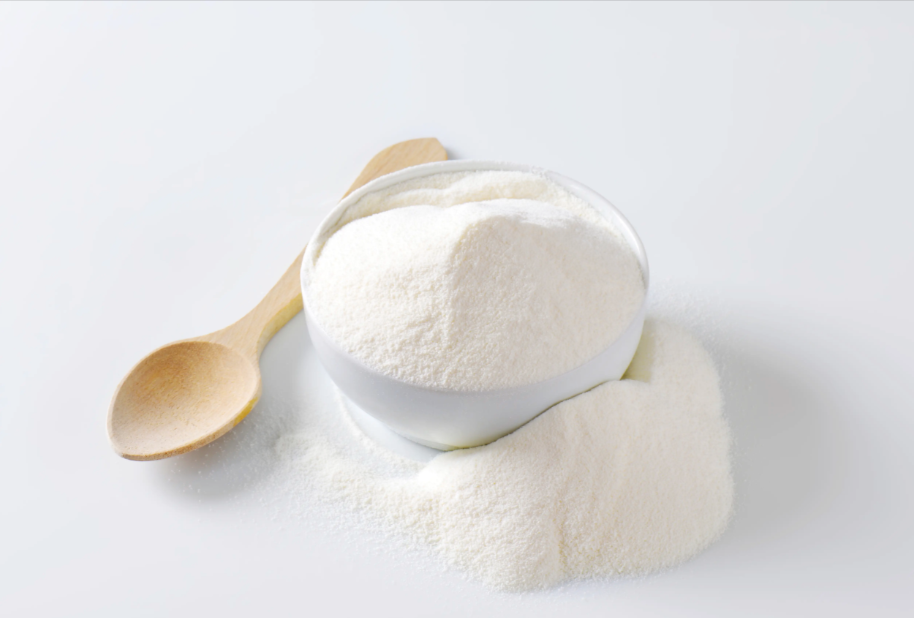
1. Why High-Purity Calcium Lactate Outperforms Traditional Calcium Carbonate
Traditional calcium carbonate, once the dominant calcium source in the market, faces inherent limitations including low water solubility, high gastric irritation risk and relatively low absorption rate for sensitive groups. In contrast, high-purity calcium lactate features near-neutral pH, excellent water solubility and does not require excessive gastric acid participation during dissolution. Independent laboratory data shows that its calcium bioavailability is 2–3 times higher than that of ordinary calcium carbonate, while avoiding common side effects such as bloating and constipation. For pets with underdeveloped digestive systems and consumers pursuing mild nutritional supplementation, this difference directly translates into tangible health value.
2. Breakthrough Applications in Premium Pet Nutrition
The global premium pet food market has entered an era of precise nutritional customization, and calcium supplementation for young, senior and special-breed pets has raised stricter requirements for raw materials. High-purity calcium lactate, compatible with cheese, probiotics and dried fish powder formulations, can be efficiently embedded into extruded pet food to promote bone development without increasing digestive tract burden. Multiple North American and European mid-to-high-end pet snack brands have adopted this ingredient to launch calcium-supplementing products targeted at puppies and senior dogs, with user feedback showing a 40% reduction in adverse gastrointestinal reactions compared with traditional formulations.
3. Expanding Boundaries in Functional Food Scenarios
In the functional food sector, high-purity calcium lactate is rapidly penetrating diversified product forms including fortified dairy products, sports drinks, baked goods and personalized nutritional supplements. Its good taste and low irritation make it ideal for developing products for pregnant women, the elderly and people with sensitive stomachs. Unlike calcium carbonate, which often carries a heavy chalky aftertaste, high-purity calcium lactate hardly affects the original flavor of the product, creating more room for product innovation. At present, many well-known health brands have added it to bone-supporting tablets and probiotic compound formulas, further expanding the market application boundary of calcium raw materials.
4. Green Production and Global Supply Chain Layout
As the global functional ingredient market pays increasing attention to sustainable production, high-purity calcium lactate leads the industry transformation through optimized fermentation processes and low-energy consumption purification technologies. Modern production lines achieve high product purity and stable batch consistency while reducing carbon emissions. For international trade merchants, this means they can provide global customers with certified, traceable high-quality raw materials, helping downstream brands quickly complete market access in different countries and regions.
FAQ
- Q: What is the main difference between high-purity calcium lactate and ordinary calcium lactate on the market?
A: High-purity calcium lactate has fewer impurity residues, more stable solubility and better compatibility with probiotics and active ingredients, making it more suitable for premium pet food and functional food scenarios with strict requirements. - Q: Can calcium lactate completely replace calcium carbonate in all formulations?
A: In scenarios with extremely low cost requirements, calcium carbonate still has application space, but in high-value-added products that pursue absorption rate, mildness and clean labels, calcium lactate has become a more competitive choice. - Q: Does calcium lactate have lactose-related allergies or intolerances?
A: High-purity calcium lactate produced through modern fermentation processes has extremely low residual lactose content, which hardly triggers common lactose intolerance reactions and can be used safely by most sensitive groups and pets. - Q: What certifications are usually required for calcium lactate to enter the European and American markets?
A: It usually needs to meet food-grade safety standards, obtain relevant food contact material certifications and provide complete production process traceability documents to smoothly pass the customs clearance and brand review links. - Q: What are the main storage and transportation precautions for calcium lactate?
A: It should be placed in a dry, cool and well-ventilated environment, avoiding direct sunlight and high humidity, so as to maintain stable physical and chemical properties and avoid agglomeration. - Q: What is the current global market growth trend of calcium lactate?
A: Driven by the two major tracks of pet nutrition and functional food, the global market demand for high-purity calcium lactate will maintain a steady growth of more than 8% annually in the next five years, showing broad development prospects.
Post time: Jul-28-2026


