


In 2026, global dried chili exports are projected to surpass 2.3 million metric tons, with buyers across North America, the EU and Southeast Asia setting stricter than ever standards for heat levels, appearance and processing suitability. For international chili exporters, a clear grasp of the full dried chili variety map is no longer a competitive advantage — it is a basic requirement to avoid order losses, meet customs inspection rules and tap into high-value niche markets.
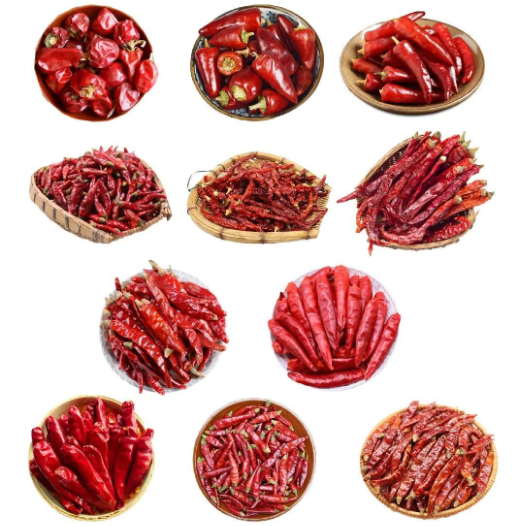
1. The Four Core Classification Dimensions That Define Dried Chili Categories
Unlike casual consumer categorization by shape, the international spice trade system divides dried chilies using four standardized, inspection-backed dimensions that every exporter must master. Heat level, measured in Scoville Heat Units (SHU), ranges from 0 SHU mild paprika varieties to over 350,000 SHU super-hot industrial extracts. Color is graded by ASTA color values, a global standard that determines if a chili is suitable for natural food coloring or just regular spice use. Shape and size categories cover round cherry peppers, slender long red chilies, conical cayenne peppers and flat ancho types, while processing classification splits products into whole dried, crushed, powdered and seed-removed variants for different industrial uses. This four-dimensional framework eliminates 90% of common cross-border order disputes caused by vague product descriptions.
2. The 7 High-Trading Volume Categories That Dominate 92% of Global Export Volume
Industry data from the 2026 International Spice Conference shows seven mainstream dried chili categories make up 92% of total global trade, each with fixed core buyer groups. Long red chilies, the largest segment, hold 47% market share, favored by seasoning manufacturers for their balanced heat and low moisture. Paprika chilies, accounting for 18% of exports, are almost exclusively destined for EU and North American food brands that prioritize bright, consistent color over high heat. Cayenne peppers (12% share) target hot sauce and snack producers, while cherry peppers, bird’s eye chilies, ancho chilies and dried jalapeños make up the remaining 15%, each serving specific ethnic food and artisanal product markets. Exporters that mislabel these categories face an average 35% higher risk of cargo rejection at destination ports.
3. Hidden Rules of the Category Map: Matching Varieties to Regional Market Demand
A little-noticed detail of the global dried chili category map is the sharp regional preference gap that directly impacts order profitability. The Southeast Asian market prioritizes small, high-heat bird’s eye chilies, with buyers willing to pay a 20% premium for products with SHU above 100,000. The EU market strictly limits aflatoxin levels for paprika imports, making low-mold premium paprika the most profitable category for exporters targeting the region. North American fast-food chains, by contrast, place the largest bulk orders for standard long red chili powder, prioritizing stable supply over extreme heat or special appearance. Exporters that align their category portfolio with these regional preferences report 28% higher average profit margins than peers that sell generic mixed dried chili products.
4. 2026 Emerging Categories: New Segments Redefining the Traditional Map
The traditional 7-category system is now expanding, as two new niche segments see explosive export growth this year. Low-capsicum mild dried chilies, developed for consumers who want chili flavor without spiciness, saw export volume surge 78% year-on-year in the first half of 2026, driven by demand from children’s snack and mild seasoning brands. Organic heirloom dried chilies, sourced from non-GMO traditional varieties in Peru and southwest China, are selling at 3 times the price of regular conventional dried chilies, targeting high-end specialty grocery chains in Europe and the US. These new segments are creating fresh profit opportunities for exporters who can update their product lines beyond the traditional mainstream categories.
Frequently Asked Questions (FQA)
- Q: What standards does the international spice trade use to classify dried chilies?
A: The global trade system classifies dried chilies using four core standardized dimensions: Scoville heat unit measurement, ASTA color value grading, shape and size categorization, and final processing form, to eliminate vague product descriptions in cross-border deals. - Q: Which dried chili category holds the largest global export market share?
A: Long red chilies are the largest segment, taking up 47% of total global dried chili export volume, favored by industrial seasoning manufacturers for their balanced heat, long shelf life and wide processing adaptability. - Q: What is the most common risk exporters face when mislabeling dried chili categories?
A: Exporters who mislabel dried chili categories face an average 35% higher risk of cargo rejection at destination ports, which can lead to total order losses, extra storage fees and long-term damage to their supplier reputation. - Q: Which regional market pays the highest premium for high-heat dried chilies?
A: The Southeast Asian market offers a 20% price premium for high-heat bird’s eye chilies with Scoville Heat Units above 100,000, as local cuisines have very strong demand for concentrated, pungent chili flavor. - Q: What is the fastest growing dried chili export category in 2026?
A: Low-capsicum mild dried chilies are the fastest growing segment, with export volume surging 78% year-on-year in the first half of 2026, driven by rising demand for flavorful but non-spicy chili products in children’s snacks and mild seasoning lines. - Q: What is the core requirement for exporting dried paprika to the EU market?
A: The EU has extremely strict limits on aflatoxin levels for imported paprika, so only dried paprika that meets the region’s low-mold inspection standards can clear customs, making compliance the top priority for this category.
Post time: Aug-26-2026


