


As the sun reaches its peak intensity across the Northern Hemisphere, China welcomes Major Heat (Da Shu), the 12th of the 24 traditional solar terms that has guided the country’s farming, food and daily life for over 2,000 years. Falling around July 23 every year, this solar term marks the hottest period of the lunar calendar — and it is far more than just a weather milestone: it is a living celebration of how Chinese communities have learned to live in harmony with the land, even at the height of summer.
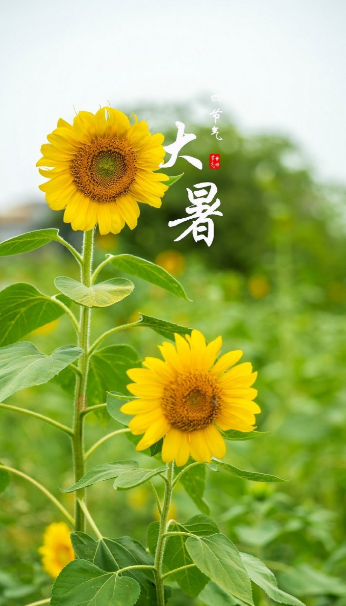
1. The Ancient Origins of Major Heat
Major Heat sits right in the middle of the “San Fu” — the three 10-day periods that make up the dog days of summer, when temperatures across most of China regularly climb above 35°C. Long before modern weather forecasting, ancient Chinese astronomers mapped the annual cycle of the sun to create the 24 solar terms, a system later inscribed on UNESCO’s Intangible Cultural Heritage List.
Ancient texts divide Major Heat into three distinct natural phases: the first phase sees fireflies emerge from damp grass; the second brings steamy, moist soil that nourishes fast-growing crops; the third arrives with sudden heavy rains that cool the air and refill rivers. For generations of Chinese farmers, this solar term was not just a sign of heat — it was the busiest time of the year to tend to ripening fields, fight pests and prepare for the autumn harvest.
2. Food Customs That Beat the Summer Heat
No Chinese solar term is complete without its signature food traditions, and Major Heat has some of the most joyful, community-focused eating customs of the entire year.
In Fujian province, families follow the time-honored custom of “Guo Da Shu” — or “Celebrate Major Heat” — where everyone gathers to share plates of fresh, sweet lychee. Locals believe lychee, eaten on this exact day, carries the same nourishing energy as ginseng, replenishing the energy drained away by weeks of sweltering weather. In Zhejiang and Guangdong, people line up for bowls of grass jelly, a silky, herb-infused black dessert known locally as “xian cao”, with a popular old saying going: “Eat grass jelly in Major Heat, and you will stay as youthful as an immortal.”
In northern and central China, the tradition of “drinking lamb soup in the dog days” draws crowds to local restaurants. The warm, savory broth might seem counterintuitive on a 38°C day, but locals say it helps sweat out damp summer chill, warm the stomach and build up strength for the months ahead. Many families also brew “fu cha” — a cooling herbal tea made with honeysuckle, prunella vulgaris and licorice — to sip through the day, a homemade remedy that has kept generations cool without modern air conditioning.
3. Community Rituals That Bind Neighbors Together
Major Heat is also a time for lively public celebrations that turn the hottest days of summer into moments of shared joy.
Along the coast of Taizhou in Zhejiang province, the centuries-old “Sending the Major Heat Boat” festival draws thousands of local residents every year. Residents build a full-sized traditional wooden fishing boat, fill it with offerings, and carry it through the streets behind marching bands and firecrackers, before towing it out to sea and setting it alight. The ritual is a collective wish for safety, calm seas, and a bountiful harvest for every fishing family in the village.
For children across the country, Major Heat means one beloved outdoor game: cricket fighting. When the sun dips low in the evening, kids head to the fields to catch small crickets, then gather under old banyan trees to watch the tiny insects gently compete. It is a simple, playful tradition that turns the long, slow summer afternoons into lasting childhood memories.
4. Modern Wisdom for a Healthy Summer
Today, many of these old Major Heat customs have seamlessly blended into modern Chinese daily life. Even in the busiest big cities, office workers will still grab a bowl of mung bean soup on their lunch break, parents remind their children to avoid staying in air-conditioned rooms all day, and families plan short evening walks to enjoy the cool breeze after sunset.
These traditions are not old-fashioned rules — they are the accumulated wisdom of thousands of years: respect the rhythm of nature, eat food that matches the season, and take time to slow down and share small joys with the people around you, even when the weather is at its hottest.
FQA
- Q: When does Major Heat fall on the calendar?
A: Major Heat usually arrives around July 23 every year, and lasts until around August 7, overlapping almost entirely with the second and hottest phase of China’s three dog-day periods. - Q: Are Major Heat customs the same across all of China?
A: No, traditions vary widely by region: coastal areas focus on sea blessing ceremonies, southern regions favor cooling herbal desserts, and northern communities are famous for their warm lamb soup feasts. - Q: Is there any scientific reason behind the tradition of drinking hot lamb soup on hot summer days?
A: Many local doctors note that the high humidity of the Chinese summer can leave the body feeling sluggish, and the gentle warmth of lamb soup helps improve blood circulation, making it easier for the body to adapt to steamy weather. - Q: How do modern Chinese people celebrate Major Heat in big cities today?
A: Most urban residents no longer hold large public rituals, but they still keep small daily traditions: making mung bean soup at home, buying fresh lychees from the supermarket, and avoiding long outdoor activities during the midday sun. - Q: Is Major Heat the hottest day of the entire year?
A: Not exactly — it is the solar term with the highest average temperature. Individual days in late July or early August can be even hotter, but the entire 15-day period of Major Heat is consistently the warmest window of the year. - Q: Can international visitors easily experience Major Heat traditions when traveling in China?
A: Absolutely! During this period, almost every local restaurant will serve seasonal Major Heat dishes, and many cities in Zhejiang and Fujian host public cultural events where visitors can try making herbal tea, taste grass jelly, and learn more about the 24 solar terms.
Post time: Jul-23-2026


