


If you’ve been scrolling through wellness feeds, sipping lattes at specialty cafes, or hunting for a coffee alternative that doesn’t leave you jittery an hour later, you’ve almost certainly seen matcha everywhere. But beyond its bright green Instagram-friendly hue, you might still be wondering: what does organic matcha powder actually do for your body, and is it really worth swapping your usual morning drink for it? This post breaks down its science-backed benefits, how it stacks up against other drinks, and exactly how it can fit into your daily routine.
1. Can Organic Matcha Deliver More Antioxidants Than 10 Cups of Regular Green Tea?
One of the biggest advantages of matcha is that you consume the entire ground tea leaf, not just an infusion of leaves steeped in water. This means you get far more concentrated nutrients than you would from a standard mug of green tea. Organic matcha is packed with EGCG, one of the most powerful catechins found in plants, and studies show its antioxidant activity is 3 to 4 times higher than that of common premium green tea. These antioxidants hunt down free radicals that damage cells, help slow down signs of skin aging, and even reduce the oxidative stress your body picks up from daily UV exposure and environmental pollution. Unlike many processed antioxidant supplements, these nutrients come in a natural, easily absorbable form that your body can use right away.
2. Will It Give You Steady Focus Without the Coffee Crash?
If you’ve ever chugged a second coffee at 2 PM only to end up shaky, irritable, and staring at a blank screen unable to focus, matcha might be the game-changer you need. It does contain caffeine, but it pairs perfectly with high levels of L-theanine, an amino acid that your body absorbs slowly. This combination creates a calm, alert state that lasts for 4 to 6 hours, no sudden jolt and no mid-afternoon crash. Many regular users say it helps them stay concentrated during long work sessions, study blocks, or even quiet meditation time, without the anxious feeling that often comes with drinking too much coffee.
3. Does It Actually Support Your Metabolism and Gentle Weight Management?
Forget the overblown “magic weight loss powder” claims you see online — matcha works in gentle, science-backed ways to support your body. The EGCG and caffeine in organic matcha work together to slightly raise your resting metabolic rate, helping your body burn a little more fat for energy, especially when you drink it 30 minutes before a workout. It’s also loaded with dense dietary fiber: just 5 grams of matcha gives you more fiber than you’d get from 100 grams of most leafy greens. That extra fiber keeps you full longer, curbs unnecessary midday snack cravings, and supports steady, gentle digestion instead of extreme, unsustainable calorie cuts.
4. Can It Boost Your Daily Wellness Beyond Energy and Digestion?
The benefits of organic matcha stretch far past energy and metabolism. It’s rich in chlorophyll, which helps support your body’s natural detox processes, plus vitamin A, vitamin K, and key minerals that support eye health, bone strength, and immune function. Regular moderate intake has also been linked to better heart health: it helps lower bad LDL cholesterol, support stable blood pressure, and keep your blood vessels in good shape. Unlike sugary energy drinks or heavily processed wellness shots, it’s low in calories, no added sugar, and fits easily into almost any diet style, from vegan to keto.
Final Wrap-Up
Organic matcha powder isn’t some overhyped miracle superfood, but it is one of the most convenient, nutrient-dense additions you can make to a daily routine. It delivers long-lasting calm focus, powerful antioxidants, gentle metabolic support, and extra key nutrients — all in one simple, bright green scoop. If you’re tired of the coffee crash and looking for a small, sustainable swap that makes a noticeable difference in how you feel every day, it’s absolutely worth a try.
Quick FAQ
- Q: How much organic matcha should I drink per day?
A: 1 to 2 standard scoops (around 2 to 5 grams) a day is the ideal amount for most people, to avoid excess caffeine intake. - Q: Can I drink matcha if I’m sensitive to caffeine?
A: Most caffeine-sensitive people tolerate matcha far better than coffee, but you can start with a half scoop and avoid drinking it after 3 PM to prevent sleep disruption. - Q: Is there a difference between cheap regular matcha and organic matcha?
A: Yes. Certified organic matcha is grown without synthetic pesticides or chemical fertilizers, so you get purer nutrients with far lower risk of unwanted residues. - Q: Can I mix matcha into things other than hot water?
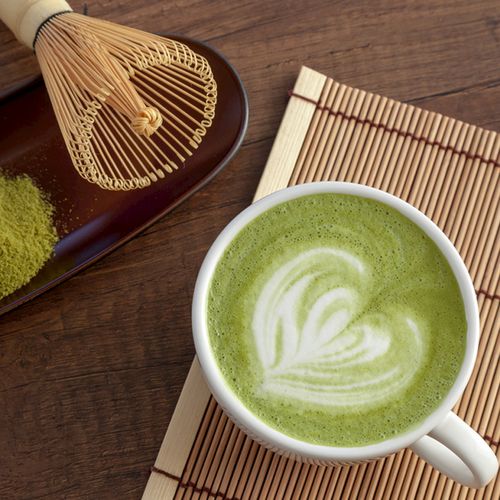
A: Absolutely! It works perfectly in oat milk lattes, smoothies, yogurt bowls, baked goods, and even homemade ice cream.
Post time: Jul-22-2026


