


As the warm embrace of summer tightens its hold, we welcome Grain Buds, the eighth solar term in the traditional Chinese 24 solar terms. Falling between May 20th and 22nd, this period marks a beautiful transition in nature, where the world seems to hold its breath in anticipation of the bountiful harvest ahead.
The Essence of Grain Buds
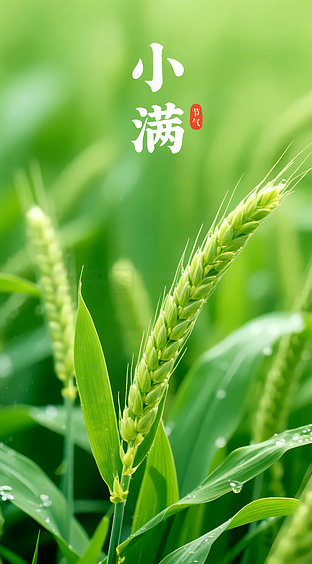
Grain Buds, or “Xiaoman” in Chinese, carries a dual significance that reflects the diversity of China’s landscapes and climates. In the northern plains, where golden wheat fields stretch as far as the eye can see, it signals that the wheat kernels are plumping up, entering the milk-ripening stage. They are not yet fully mature, but their gradual swelling is a promise of a rich harvest. In the south, the term takes on a different meaning. Here, “Xiaoman” is closely linked to rainfall. As the folk saying goes, “Xiaoman, Xiaoman, rivers are gradually full,” vividly describing the increased precipitation that fills rivers and lakes, providing vital water for summer crops.
Ancient Chinese wisdom also divided Grain Buds into three distinct pentads, each capturing a unique aspect of nature’s transformation. The first pentad is “bitter herbs thrive,” a reminder of the resilience of nature as these hardy plants flourish, offering both sustenance and medicinal benefits. The second pentad is “delicate shade-loving grasses wither,” a testament to the changing seasons as stronger sunlight replaces the gentle warmth of spring, favoring more robust plant life. The third pentad is “wheat begins to ripen,” marking the final stretch before the harvest, when farmers’ hard work is about to pay off.
A Feast for the Senses: Culinary Delights of Grain Buds
Grain Buds is not only a time of agricultural significance but also a season to savor the freshest flavors of nature.
The Bounty of Rivers and Lakes
With the arrival of abundant rainfall, rivers and lakes teem with life. Fish and shrimp grow plump and succulent, making this the perfect time to enjoy a seafood feast. In coastal regions and areas with rich water resources, families gather to cook up delicious dishes like steamed white fish, braised shrimp in soy sauce, and spicy crayfish. Each bite is a celebration of nature’s generosity and the hard work of fishermen.
The Sweetness of Mulberries
As the temperature rises, mulberries ripen to a deep, luscious purple. These tiny fruits are not only incredibly sweet but also packed with nutrients. Whether eaten fresh off the tree or made into jams, wines, or desserts, mulberries are a beloved treat during Grain Buds. Children love picking them, their fingers stained purple as they enjoy the simple pleasure of nature’s candy.
The Bittersweetness of Bitter Herbs
Bitter herbs have long been a staple during Grain Buds. Known for their cooling and detoxifying properties, these wild greens are a reminder of our connection to the land. In different regions, people have developed unique ways to prepare them. In Ningxia, they are mixed with salt, vinegar, chili, and garlic to create a refreshing side dish. In other areas, they are boiled and squeezed to make a nutritious soup. Despite their initial bitterness, bitter herbs offer a complex flavor that is both invigorating and satisfying.
Cultural Traditions: Honoring the Past and Looking to the Future
Grain Buds is also a time for cultural traditions that have been passed down through generations.
Worshiping the Silkworm Deity
In the regions south of the Yangtze River, sericulture has been an important part of the local economy for centuries. During Grain Buds, silkworms begin to spin their cocoons, a crucial stage in the silk-making process. To ensure a successful harvest of silk, people hold ceremonies to worship the silkworm deity. They offer sacrifices, perform traditional dances, and pray for the well-being of their silkworms and prosperity in the silk industry. These rituals are a beautiful blend of gratitude and hope, honoring the delicate creatures that provide such a luxurious material.
Agricultural Rituals
For farmers, Grain Buds is a time of both anticipation and hard work. They carefully tend to their crops, ensuring they have enough water and protection from pests. In some areas, there are traditional rituals to pray for good weather and a bountiful harvest. Farmers may offer incense and food at local temples, seeking the blessings of the gods for their fields. These rituals not only reflect their deep respect for nature but also their unwavering determination to provide for their families and communities.
The Philosophy of Grain Buds
Beyond its agricultural and cultural significance, Grain Buds holds a profound philosophical message. The concept of “minor fullness” reminds us of the beauty in imperfection and the importance of patience. In a world that often values instant gratification and excess, Grain Buds teaches us to appreciate the process of growth, to find joy in the small steps towards success, and to be content with what we have. It is a gentle reminder that life is a journey, not a destination, and that the most meaningful things often take time to develop.
As we celebrate Grain Buds, let us take a moment to pause and appreciate the wonders of nature, the richness of our cultural heritage, and the wisdom of our ancestors. Let us embrace the spirit of gratitude and growth, and carry it with us as we move forward into the rest of the summer.
Post time: May-20-2026


