


Against the backdrop of booming global demand for plant-based, gluten-free and nutritionally balanced staple foods, Chinese manufacturers of organic soybean pasta and multigrain pasta have broken through traditional market boundaries, leveraging robust local production capacity and strict international organic certifications to deliver outstanding sales performance across Southeast Asia, Japan and Germany, reshaping the global high-quality pasta consumption landscape.
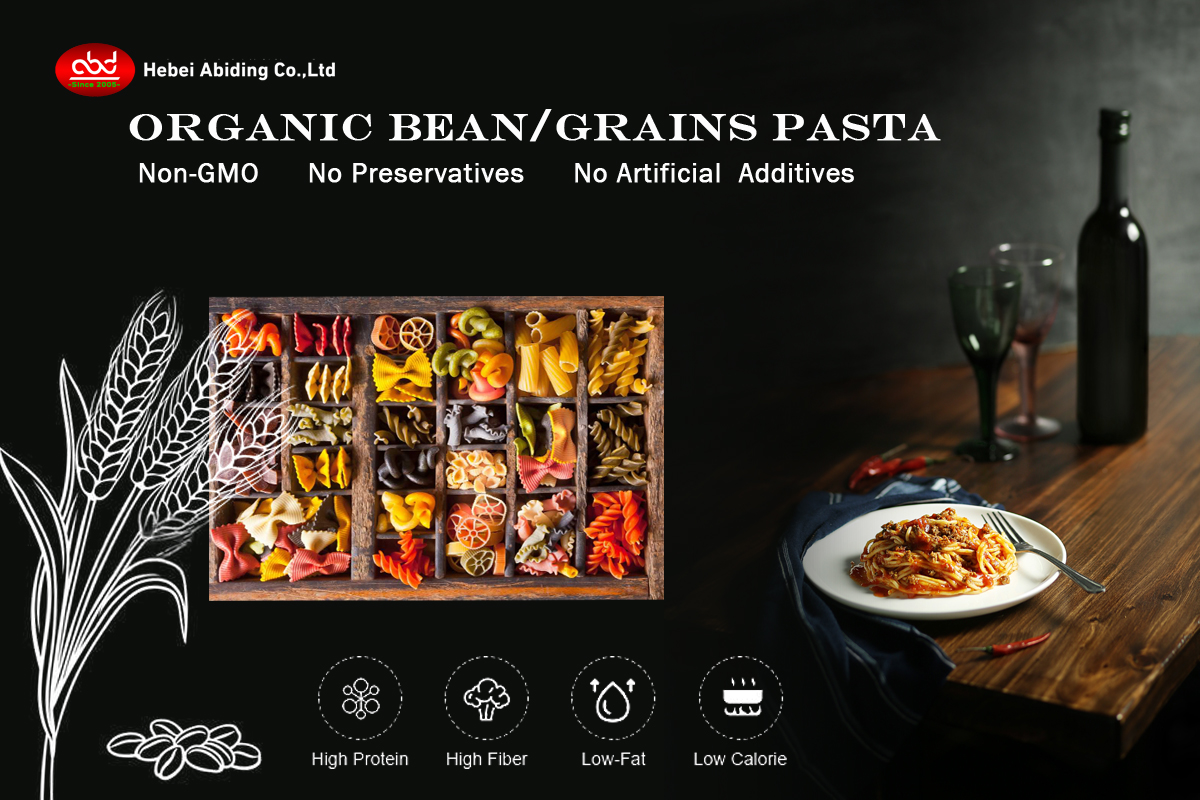
USDA and EU Organic Certified: Delivering Trusted, Health-First Pasta Solutions
All exported soybean and multigrain pasta products from leading Chinese suppliers have obtained full USDA and EU organic certifications, alongside BCS Kosher, BRC and Vegan accreditations, strictly aligned with European organic farming standards that ban harmful chemical inputs throughout the entire production chain. Unlike traditional wheat pasta, the soybean variant serves as an exceptional source of plant protein, delivering 150% of the daily recommended soy protein intake clinically proven to help lower cholesterol, a key risk factor for cardiovascular diseases. Each 200g serving is packed with high levels of potassium, iron, calcium and omega-6 polyunsaturated fatty acids, while being completely free of gluten and lactose, making it perfectly suited for vegetarians, people with celiac disease and lactose intolerance, and families pursuing clean-label, low-glycemic dietary choices. The multigrain pasta line further integrates balanced blends of oat, buckwheat, quinoa and black rice, creating a nutrient-dense staple that caters to the growing global trend of sustainable, balanced eating.
Unmatched Chinese Production Capacity: Reliable, High-Efficiency Supply for Global Partners
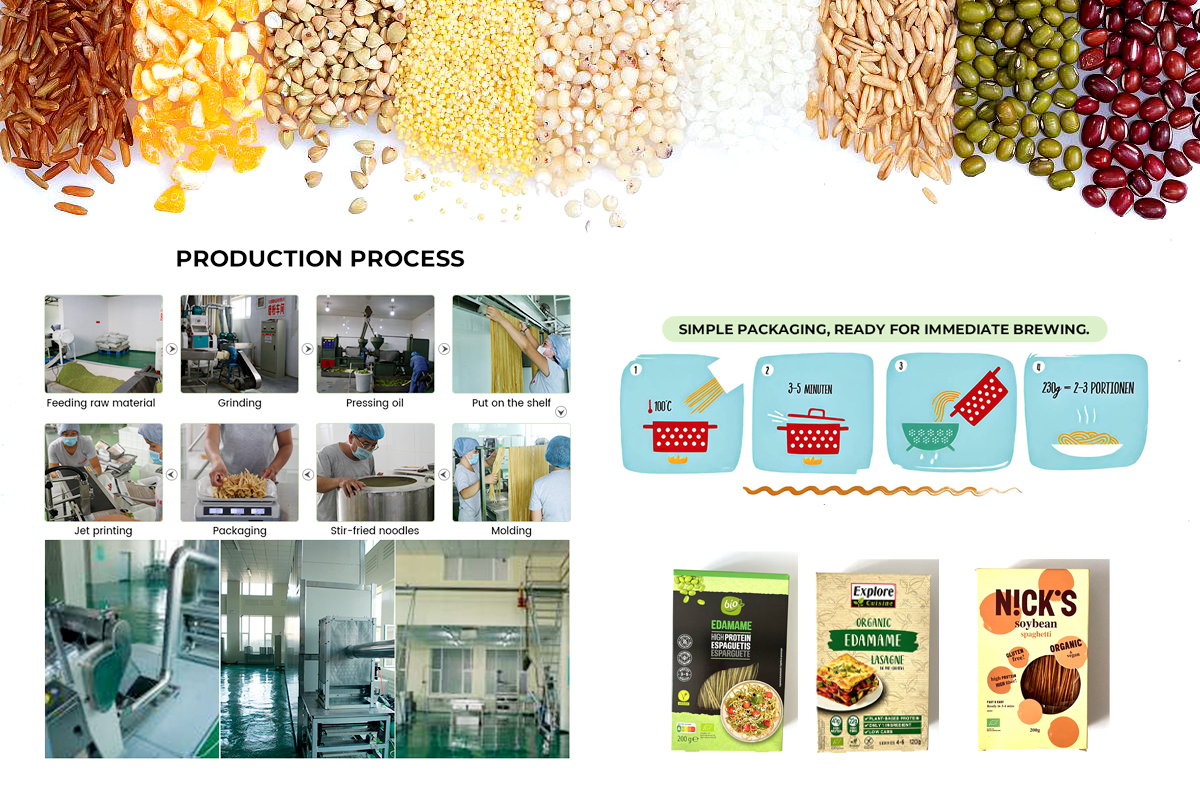
China’s pasta industry has built a world-leading production ecosystem, with annual total pasta output reaching 945 million units in 2025, while specialized organic soybean pasta production capacity alone exceeds 5000 tons per year. Supported by China’s record-high 20.91 million tons of domestic high-quality soybean output in 2025, manufacturers maintain full traceability from organic farmland to finished products, with standardized processes including fine stone milling, low-temperature slow drying and strict quality inspection, ensuring stable monthly supply for overseas bulk orders. The complete local industrial chain also allows for highly flexible customization, from personalized packaging specifications to tailored nutritional formulations, enabling suppliers to fulfill large-volume FOB, CFR and CIF orders with short lead times, a critical advantage that has won long-term trust from distributors across Europe and Asia.
Standout Sales Momentum: Leading Market Penetration in Southeast Asia, Japan and Germany
Chinese organic soybean and multigrain pasta have recorded explosive growth in key overseas markets in recent years. In Southeast Asia, where plant-based food awareness has surged, product sales have grown by over 120% year-on-year, becoming a mainstream staple choice in health supermarkets and family dining scenarios. In Japan, strict local food safety standards have long set a high threshold for imported pasta, yet Chinese organic soybean pasta has quickly captured a 17% market share in the gluten-free pasta segment, favored by consumers for its smooth cooking texture and verified low-cholesterol health claims. In Germany, the core market of European organic food consumption, sales volume has maintained a steady 18% annual growth rate for three consecutive years, widely stocked in major organic supermarket chains and recognized for its transparent, sustainable supply chain that aligns with local eco-friendly consumption values.
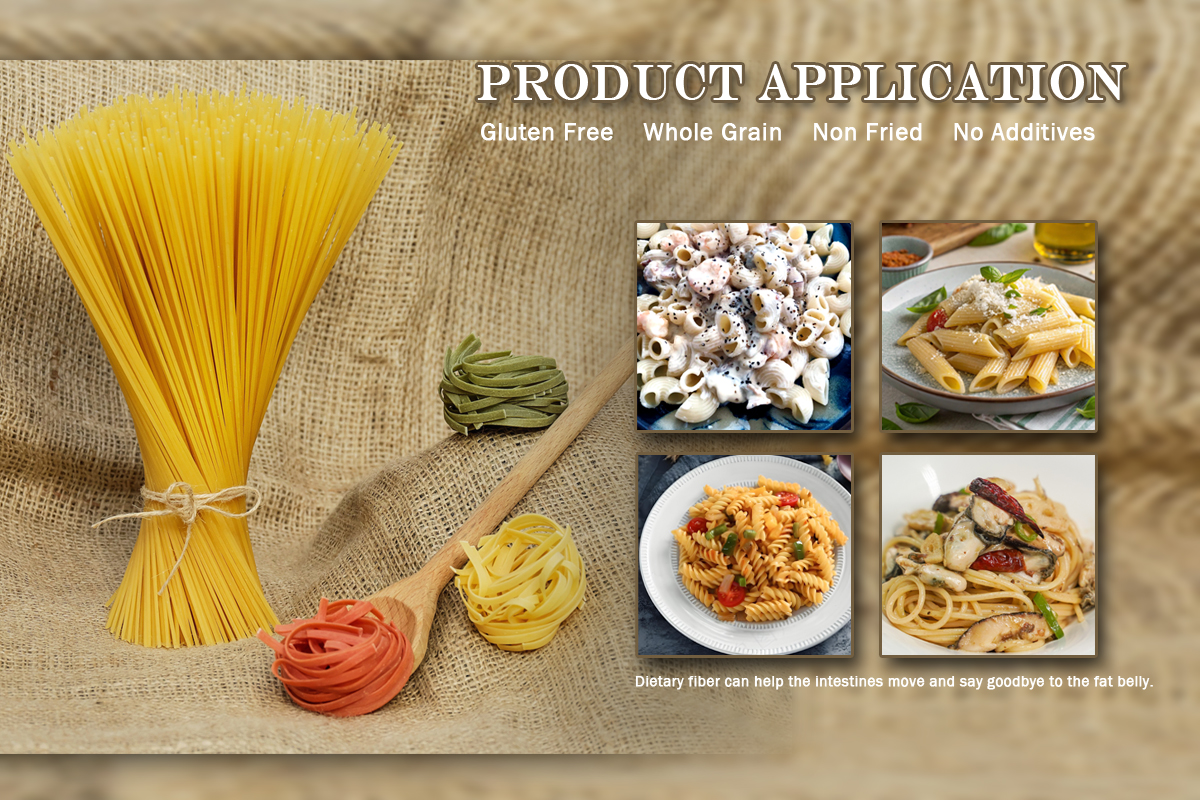
Future Growth Trajectory: Riding the Global Plant-Based Pasta Boom
The global pasta market is projected to reach $133.02 billion by 2030, with the legume and multigrain pasta segment maintaining a compound annual growth rate of over 7%, far outpacing the growth of traditional wheat pasta. Chinese producers will continue to deepen product innovation, expand organic raw material planting bases, and further optimize low-carbon production processes, to bring more affordable, high-nutrition organic pasta options to global consumers. As more international consumers recognize the dual value of Chinese soybean and multigrain pasta in health benefits and sustainable production, this Chinese-made specialty staple is set to become a core player in the global transformation of healthy staple food consumption.
Post time: Jul-01-2026


