


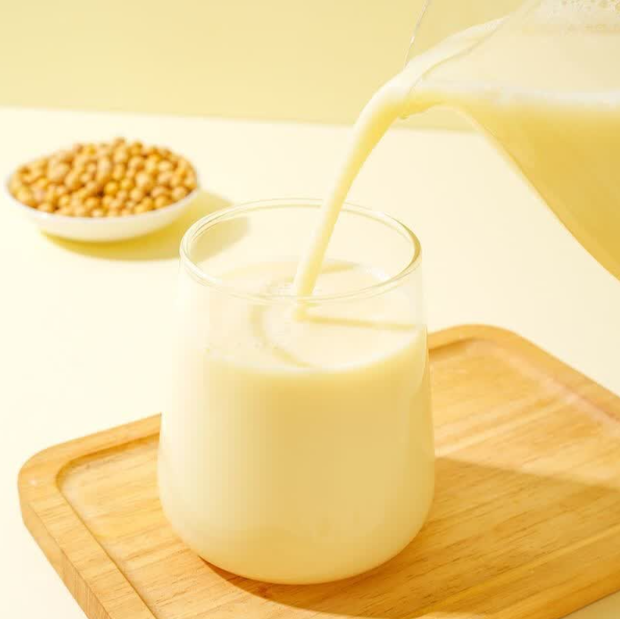
Once largely confined to Asian breakfast tables, Chinese soy milk powder is emerging as a game-changing ingredient for thousands of independent cafés and specialty bakeries across Europe, North America, and Southeast Asia. As global plant-based consumption continues to rise and consumers demand more diverse, cost-effective, and flavor-forward non-dairy alternatives, this versatile staple is helping foodservice operators create entirely new “soy-based” menus that cut costs, reduce supply chain complexity, and attract a broader customer base.
From Traditional Pantry Staple to Professional Foodservice Ingredient
For decades, most overseas cafes relied on liquid soy milk products that required cold storage, had short shelf lives, and often separated when steamed for espresso drinks. Modern Chinese soy milk powder, produced with advanced low-temperature grinding and instant dissolving technology, solves all these pain points. Operators can reconstitute it on demand, achieving a perfectly stable texture that works in lattes, cold brews, foam toppings, and even baked goods.
Unlike generic plant powders on the global market, leading Chinese manufacturers have developed barista-specific formulations optimized for high-temperature steaming, neutral bean flavor, and zero added stabilizers that leave aftertaste. Many products are now EU organic certified, FDA compliant, and carry halal and kosher accreditation, making them suitable for mainstream foodservice distribution rather than just ethnic grocery shelves.
The “Soy-Based” Menu Revolution in Independent Cafés
Café operators are no longer just using soy milk powder as a basic milk alternative. They are building signature menu lines around it. In London, a small specialty coffee chain has launched a “Silky Soy Latte” series that uses locally roasted espresso blended with Chinese non-GMO soy milk powder, creating a creamier texture than standard liquid soy milk and selling 35% more units than their oat milk equivalent.
In Singapore and Kuala Lumpur, neighborhood bakeries are mixing the powder into croissant dough, tart fillings, and vegan bread bases to add subtle nuttiness, boost protein content, and reduce reliance on expensive imported dairy cream. One popular bakery in central Kuala Lumpur reported that its soy milk powder-infused custard tarts now make up 28% of daily pastry sales, drawing both vegan consumers and traditional dessert lovers.
Economic and Supply Chain Advantages That Reshape Operational Costs
For small foodservice businesses struggling with volatile dairy prices and expensive imported plant milks, Chinese soy milk powder delivers immediate financial benefits. Industry data shows that reconstituted soy milk made from high-quality powder can reduce per-serving non-dairy beverage costs by up to 60% compared to pre-packaged liquid alternatives. It also eliminates waste from expired cartons, removes the need for large refrigerator space dedicated to plant milks, and cuts logistics emissions by reducing the weight of water being shipped across continents.
Many Chinese suppliers now offer custom formulation services for overseas café brands, allowing them to adjust sugar levels, protein content, and foamability to match their unique brand identity. This level of customization was previously only available to large multinational coffee chains, putting professional-grade plant-based innovation within reach of independent shop owners.
Consumer Demand and the Future of Plant-Based Diversification
Global plant-based food trends have moved far beyond basic “vegan options” to prioritize taste, nutrition, and cultural story. Chinese soy milk powder carries a centuries-old heritage of soy craftsmanship that resonates with modern consumers who want to know where their ingredients come from. Cafés that explain the origin story behind their soy-based drinks often build stronger emotional connections with customers, turning casual visitors into repeat guests.
Market analysts project that Chinese soy milk powder for foodservice will see 22% compound annual growth in overseas markets through 2030, with the fastest adoption in mid-sized cities where independent cafes compete fiercely for menu differentiation. What began as a simple breakfast product is now evolving into a global platform for culinary creativity.
Frequently Asked Questions (FAQs)
Q: Does Chinese soy milk powder curdle when added to hot coffee?A: Modern barista-grade formulations are engineered to resist curdling at temperatures up to 85°C, making them perfectly stable for hot espresso drinks. Most operators report no separation even when poured directly over freshly pulled shots.
Q: How long can the reconstituted soy milk stay fresh after mixing?A: When stored in sealed refrigerated containers, properly mixed soy milk from high-quality powder remains fresh for 3 to 4 days, much longer than typical liquid soy milk cartons that expire within 48 hours after opening.
Q: Can it be used in bakery applications beyond drinks?A: Yes. It can be incorporated directly into dough, fillings, creams, and glazes to add protein, subtle richness, and a smooth texture without the watery consistency that liquid soy milk often introduces to baked recipes.
Q: Are these products certified for sale in Western markets?A: Leading Chinese foodservice soy milk powder brands carry EU Organic, US FDA, Halal, and Kosher certifications, and meet all major import food safety requirements for North America, Europe, and most of Asia-Pacific.
Q: How does the flavor compare to fresh liquid soy milk?A: Advanced low-temperature processing preserves the natural sweet, nutty bean flavor while removing the raw “beany” aftertaste many consumers dislike. Most baristas describe it as creamier and more consistent than most off-the-shelf liquid soy milks.
Q: What is the minimum order quantity for overseas café operators?A: Many Chinese suppliers now offer flexible small-batch wholesale starting from 5kg bags, making it accessible for single-location independent cafes rather than only large chain accounts.
Post time: Sep-17-2026


