


The Chinese Spring Festival, also known as the Lunar New Year, is a vibrant celebration of family reunions and cultural heritage. As this year’s festival approaches, millions of people worldwide will engage in age-old customs like eating dumplings, hanging lanterns, and setting off firecrackers. These traditions, far from mere rituals, are deeply rooted in history and symbolize prosperity, protection, and joy. Let’s explore the fascinating details behind these beloved folk customs.
The Significance of Eating Dumplings
Dumplings, or “jiaozi” in Chinese, are a cornerstone of Spring Festival feasts. Resembling ancient gold ingots, they symbolize wealth and prosperity, reflecting the hope for a financially fortunate year ahead. Families often gather late into the night to make and eat these crescent-shaped delicacies, with fillings varying by region—cabbage and radish for a gentle complexion, or pork and vegetables for richness. Sharing dumplings fosters family bonds, turning a simple meal into a warm ritual of togetherness. As one of the most iconic foods of the festival, dumplings bridge generations through shared stories and laughter, making them a heartwarming start to the new year.
The Symbolism of Hanging Lanterns
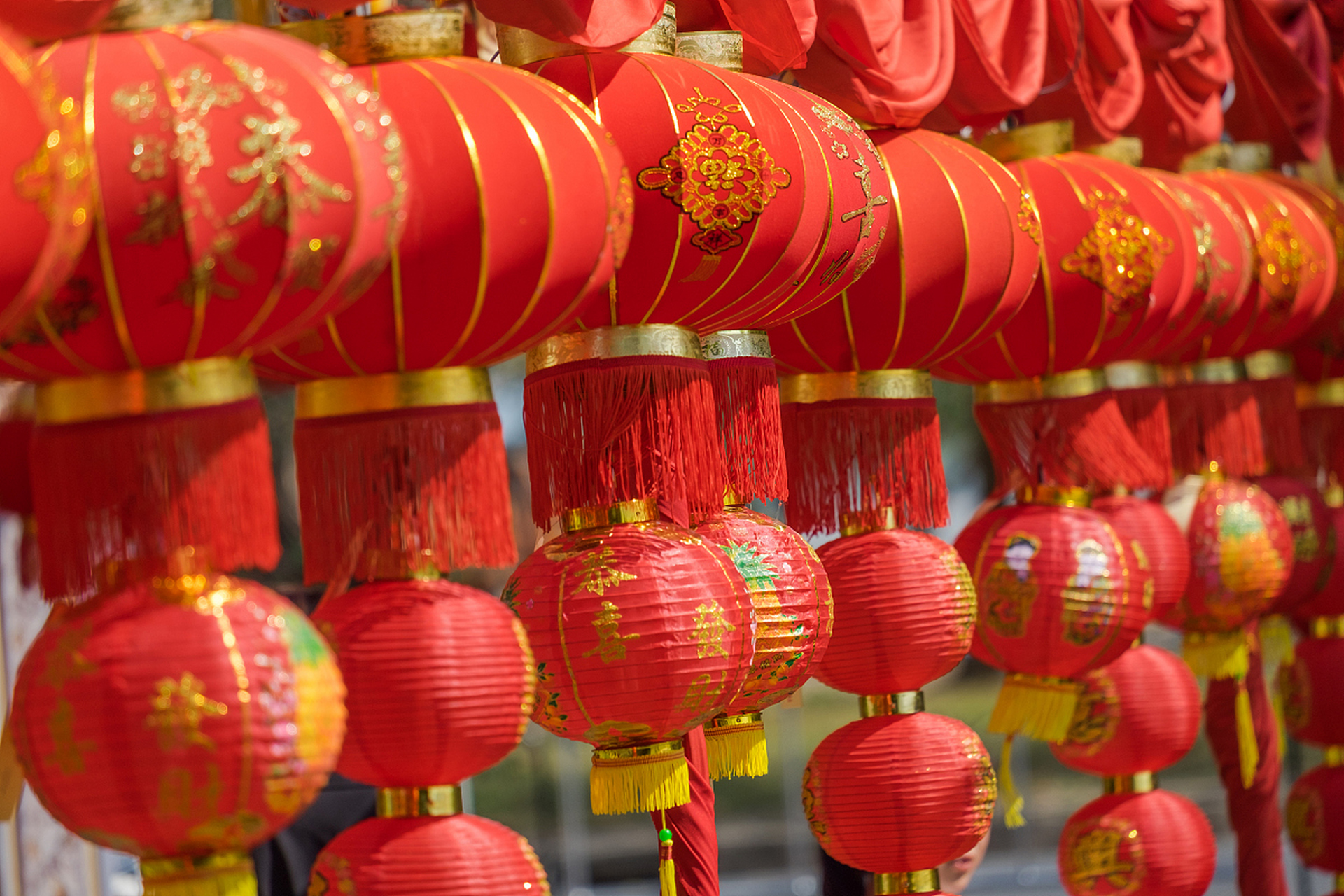
Red lanterns are ubiquitous during the Spring Festival, adorning streets, homes, and public spaces. Their bright glow represents good luck and wards off evil spirits, stemming from ancient beliefs where fire and light were seen as protective forces. The color red, in particular, is associated with vitality and happiness, creating an atmosphere of celebration. Lanterns often feature intricate designs like dragons or flowers, adding to the visual spectacle. In cities across China, lantern parades become a magical sight, with families walking under the full moon to admire the displays. This tradition not only beautifies the environment but also serves as a communal activity that strengthens social ties.
The Role of Setting Off Firecrackers
Firecrackers are a thrilling highlight of the festival, especially at midnight when they signal the arrival of the new year. Historically, their loud bangs were believed to scare away a mythical monster called “Nian,” which terrorized villages during winter. Today, they symbolize the expulsion of bad luck and the welcoming of fresh beginnings. The practice involves setting off firecrackers in a sequence, often ending with a grand finale of colorful explosions. While safety regulations have reduced their use in some areas, firecrackers remain a powerful expression of joy and hope, echoing through the night to mark a time of renewal.
Cultural Impact and Modern Adaptations
These customs are more than just historical artifacts—they are living traditions that adapt with the times. In urban centers, digital lanterns and virtual firecrackers have emerged, blending technology with heritage. Yet, the core values of family, protection, and prosperity remain unchanged. As the Spring Festival approaches, people from all walks of life participate in these rituals, whether through a grandmother’s secret dumpling recipe or a child’s first experience with a lantern. The festival’s enduring appeal lies in its ability to connect the past with the present, reminding us that even in a modern world, the warmth of tradition can light up our lives.
In essence, the Spring Festival’s customs of eating dumplings, hanging lanterns, and setting off firecrackers are not just about fun—they are a testament to the human desire for hope, unity, and a brighter future. As we celebrate this year, let us savor the flavors, sights, and sounds that make this festival a true cultural treasure.
Post time: Feb-05-2026