


From bustling city kitchens to remote rural communities, Textured Vegetable Protein (TVP) has quietly become a global culinary and sustainability icon. This humble soy-based ingredient is not just reshaping plates—it’s redefining how we think about food, health, and our planet.
From Humble Roots to Global Tables: TVP’s Journey to Everyday Pantries
TVP’s story begins in the mid-20th century, born from a desire to create affordable, protein-rich food for post-war populations. Today, it’s a staple in 60% of households across North America, Europe, and Asia, found in everything from school lunch programs to high-end restaurant menus. In Tokyo, home cooks use it to craft vegan versions of classic nikujaga (meat and potato stew). In Lagos, street vendors mix it into spicy kebabs to stretch supplies without skimping on flavor. Even in small towns in the American Midwest, where corn and soy fields stretch to the horizon, TVP has become a go-to for busy families looking for quick, nutritious meals.
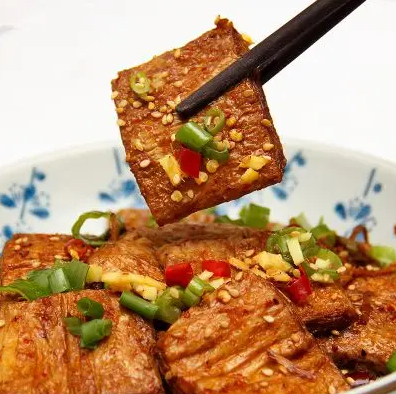
Its rise is no accident. TVP’s ability to absorb flavors like a sponge makes it a chameleon in the kitchen. Soak it in broth, and it mimics the texture of ground beef; marinate it in soy sauce and ginger, and it transforms into a satisfying substitute for chicken. “I started using TVP when my daughter decided to go vegan,” says Maria Gonzalez, a mother of two in Madrid. “Now, even my meat-loving husband asks for my TVP chili every Sunday. It’s brought our family together over meals, not divided us.”
Nourishing People and the Planet: TVP’s Dual Promise of Health and Sustainability
Beyond its culinary versatility, TVP is a nutritional powerhouse. Packed with 50 grams of protein per cup—more than beef or chicken—it’s a favorite among athletes, busy professionals, and anyone looking to boost their protein intake without the saturated fat. Unlike some highly processed meat alternatives, TVP is made from just one ingredient: defatted soy flour. It’s free from artificial additives, gluten, and cholesterol, aligning with the growing demand for clean, transparent food labels.
But TVP’s true superpower lies in its sustainability. Producing a pound of TVP uses 90% less water, 99% less land, and generates 90% fewer greenhouse gas emissions than producing a pound of beef. In a world grappling with climate change, this is a game-changer. “TVP isn’t just a food—it’s a tool for survival,” says Dr. Lena Patel, a food systems researcher at the University of Oxford. “As global population grows and farmland shrinks, ingredients like TVP will be essential to feeding 10 billion people by 2050 without destroying our planet.”
Empowering Communities: How TVP is Lifting Farmers and Small Businesses
TVP’s impact extends far beyond the dinner table. In rural soy-growing regions of Brazil and the United States, demand for TVP has created stable incomes for thousands of small-scale farmers. “Before TVP became popular, we struggled to get a fair price for our soy,” says Carlos Mendes, a farmer in Paraná, Brazil. “Now, we have a reliable market, and we’ve been able to invest in better equipment and send our kids to college.”
In urban areas, TVP is fueling a new generation of food entrepreneurs. In Nairobi, a group of young women started a catering business specializing in TVP-based meals for office workers, creating jobs and promoting plant-based eating in a city where meat is often seen as a status symbol. “TVP gave us a chance to build something meaningful,” says Wanjiru Kinyanjui, one of the founders. “We’re not just selling food—we’re changing mindsets.”
The Future of Food: TVP’s Role in a Changing World
As consumers become more conscious of their food choices, TVP is poised to take center stage. Food manufacturers are innovating with new TVP products, from plant-based sushi to protein-packed breakfast cereals. Chefs are experimenting with TVP in fine dining, using it to create dishes that are as visually stunning as they are sustainable.
But perhaps TVP’s greatest potential lies in its ability to bridge cultural divides. In a world where food is often a source of conflict, TVP is a unifying ingredient. It’s eaten by vegans and meat-eaters, by the wealthy and the working class, by people in every corner of the globe. It’s a reminder that food is not just about sustenance—it’s about connection, community, and hope.
Post time: Mar-04-2026