


From Orchard to Table: How This Golden Spread Wins Hearts Worldwide
In a world where food is often reduced to mere sustenance, apricot jam stands as a testament to the art of slow living. Its golden hue, delicate texture, and nuanced flavor profile make it a staple in kitchens across the globe. But what truly sets this jam apart is not just its taste—it’s the story of how it connects people to nature, tradition, and each other.
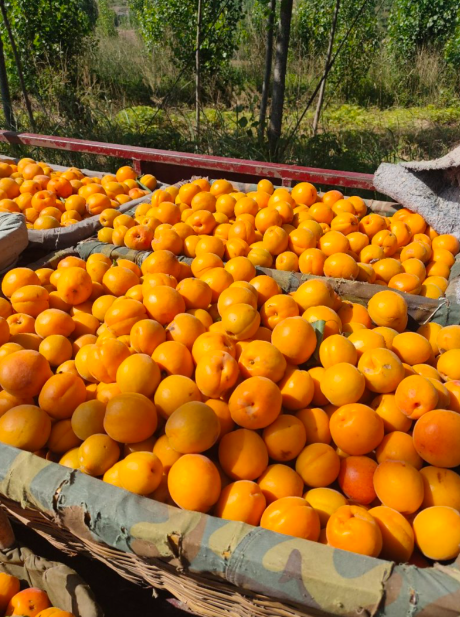
1. A Symphony of Flavors: The Essence of Apricot Jam
Apricot jam is a harmonious blend of sweet and tangy, with a floral undertone that lingers on the palate. Unlike artificial spreads, which rely on additives for flavor, apricot jam derives its richness from the fruit itself. The process begins with hand-picking ripe apricots, ensuring each fruit is at its peak freshness. These apricots are then slowly cooked with sugar and a touch of lemon juice, allowing the natural pectin to create a smooth, spreadable consistency.
The result? A jam that’s not just a condiment but a culinary experience. Its versatility shines through—it pairs perfectly with freshly baked bread, adds a touch of elegance to desserts, and even enhances savory dishes like roasted meats. For many, the first bite of apricot jam evokes memories of grandmother’s kitchen, where time seemed to stand still.
2. The Art of Making Apricot Jam: A Labor of Love
Crafting apricot jam is a meticulous process that requires patience and precision. After the apricots are harvested, they must be washed, pitted, and chopped—a task often done by hand to ensure quality. The next step involves slow cooking the fruit mixture over low heat, stirring constantly to prevent burning. This process can take hours, but the wait is worthwhile.
As the jam thickens, it’s important to maintain the right balance of sugar and acid. Too much sugar can make it cloying; too little, and it won’t set properly. The secret ingredient? A pinch of lemon juice, which not only enhances the flavor but also helps preserve the jam’s vibrant color.
Once the jam is ready, it’s poured into sterilized jars and sealed. The result is a product that’s not just delicious but also safe to store for months. This labor-intensive process is why many artisanal producers charge a premium for their apricot jam—it’s a product of love, not just labor.
3. A Global Favorite: Apricot Jam in the Modern World
Apricot jam has transcended its humble origins to become a global phenomenon. In Europe, it’s a staple on breakfast tables, often paired with croissants or toast. In the United States, it’s a key ingredient in baking, from cookies to pies. Even in Asia, where sweet flavors are often balanced with spice, apricot jam finds its place in fusion recipes.
But its popularity isn’t just about taste—it’s about the experience it creates. Sharing a jar of apricot jam is a way to connect with others, whether it’s a family gathering or a friend’s visit. It’s a reminder that food is not just fuel but a bridge between cultures and generations.
4. The Future of Apricot Jam: Innovation Meets Tradition
As the world becomes more health-conscious, apricot jam producers are adapting. Many now offer reduced-sugar versions, using natural sweeteners like honey or stevia. Others are experimenting with new flavors, such as lavender or ginger, to appeal to modern palates.
But at its core, apricot jam remains a product of tradition. The process of making it hasn’t changed much over centuries—it’s still about patience, precision, and a deep respect for the fruit. And that’s what makes it special. In a fast-paced world, apricot jam offers a moment of pause, a chance to savor the simple things.
In a nutshell, apricot jam is more than just a spread—it’s a celebration of nature, tradition, and the joy of sharing. Whether you’re a foodie or a casual eater, there’s a jar of apricot jam out there that’s sure to win your heart.
Post time: Feb-28-2026