


In recent years, awareness around nutrition and preventive health has surged. Among the most studied natural compounds, organic lycopene—the red carotenoid found primarily in tomatoes—has gained significant attention from medical researchers, food technologists, and health-conscious consumers. Once viewed simply as a natural pigment, lycopene is now recognized as a valuable player in cardiovascular care, antioxidant defense, and functional nutrition.
1. The Organic Advantage: Why Organic Lycopene Matters
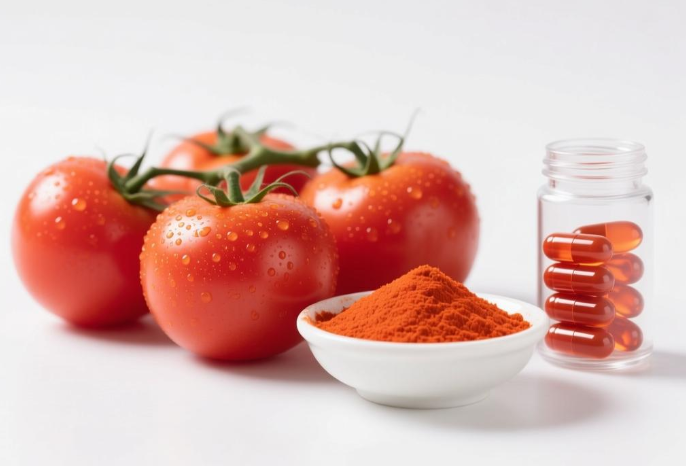
lycopene is a fat-soluble carotenoid widely associated with anti-inflammatory and antioxidant benefits. Compared to synthetic variants, organic lycopene is derived from pesticide-free, non-GMO tomatoes, resulting in cleaner extraction, fewer chemical residues, and often higher bioavailability.
Several agricultural studies suggest that organically grown tomatoes can contain 20%–30% more lycopene, while maintaining richer phytonutrient profiles due to soil-driven stress responses and the absence of chemical pesticides. As a potent antioxidant, lycopene neutralizes free radicals that contribute to DNA damage, skin aging, and chronic inflammation. For that reason, organic tomato products, juices, and supplements have become popular daily sources for patients and consumers seeking natural oxidative protection.
2. From Farm to Clinic: Lycopene’s Therapeutic and Medical Potential
Medical research is now taking a closer look at lycopene beyond nutrition. In cardiology, consistent lycopene intake has been linked to reduced oxidation of low-density lipoprotein (LDL), improved endothelial function, and support for healthy blood pressure levels—all factors relevant to atherosclerosis management.
In oncology research, lycopene has been especially noted in studies on prostate health and male aging. Some clinical findings associate lycopene supplementation with slower prostate cell proliferation and improved inflammatory markers. As supportive therapy, it may also help reduce oxidative stress during traditional treatments, contributing to better immune resilience and patient recovery. These observations have encouraged interest in lycopene-based nutraceuticals within clinical nutrition programs and rehabilitation pathways.
3. Functional Foods: Lycopene’s Rising Role in Daily Nutrition
The growing functional food market is making lycopene more accessible to everyday consumers. Beyond standard tomato products, the market now includes tomato powders, plant-based supplements, and gut-health beverages fortified with lycopene, designed for individuals with busy lifestyles and no time for elaborate dietary planning.
Contrary to common assumptions, heat processing can actually enhance lycopene bioavailability. Organic tomato paste, for instance, delivers significantly more absorbable lycopene than raw tomatoes due to matrix breakdown during gentle cooking. This trend aligns with the broader “food as medicine” movement, in which natural foods are positioned as tools for cardiovascular support, metabolic balance, and skin defense against UV-related aging.
4. Sustainability and the Future of Organic Lycopene
The rise of organic lycopene is closely tied to sustainability and consumer transparency. Organic cultivation reduces chemical fertilizer runoff, protects soil ecosystems, and meets the growing demand for clean-label, plant-derived ingredients in food and beverage manufacturing.
Looking forward, the versatility of lycopene opens doors across several industries—from plant-based meats and wellness drinks to natural colorants and dermatology-focused supplements. Ongoing research into its neuroprotective, anti-aging, and immune-modulating effects suggests that lycopene will continue to hold scientific and commercial value in the years ahead.
Post time: Jan-14-2026