


As a food processing technician who has worked on vegetable preservation for nearly four years, I once watched a whole batch of carrot and broccoli samples turn yellow, lose 70% of their vitamin C, and turn chewy after 2 hours of hot air drying. That failure made me realize how much traditional high-temperature processing erodes the value of fresh vegetables. After more than 60 groups of controlled tests, our team finally mastered a mature vacuum freeze-drying workflow for vegetables, which locks in nearly all the native nutrition of fresh produce while creating a light, satisfying crispness. Today I will break down exactly how this technology redefines what preserved vegetables can deliver.
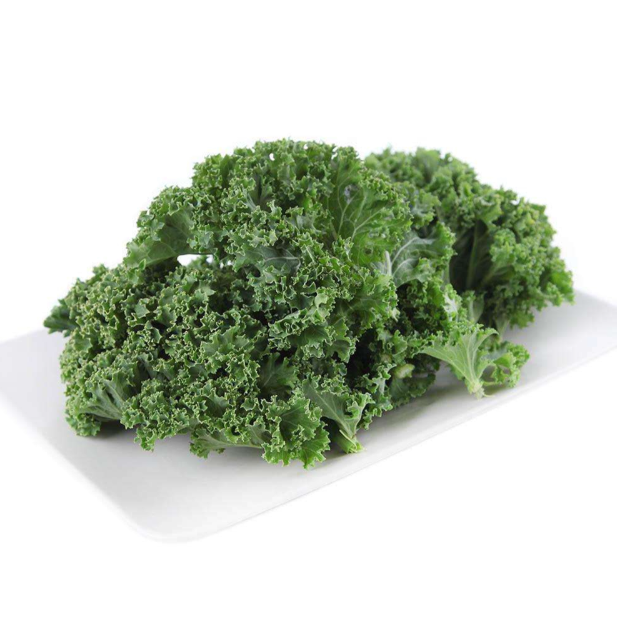
Sublimation Instead of Boiling: No High Heat Touches the Vegetables
Every traditional vegetable drying method, from sun drying to hot air oven dehydration, uses temperatures above 80°C to force water to evaporate. This not only burns off heat-labile nutrients like chlorophyll, folate and natural enzymes, but also destroys the bright natural color that makes fresh vegetables recognizable. Vacuum freeze-drying works in a completely different temperature range. We first blanch and quickly freeze pre-washed, cut vegetables at -40°C, turning all free water inside the plant tissue into tiny, evenly distributed ice crystals. Then we move the frozen vegetables into a vacuum chamber held below 120Pa, where ice transforms directly from solid to water vapor through sublimation, never melting into liquid at any point. The entire process never rises above 38°C, so there is zero high-temperature damage to active compounds.
Intact Cell Walls: The Foundation of 95% Nutrition Retention
I have compared microscope slides of hot-air dried and freeze-dried spinach under a lab electron scope, and the difference is impossible to miss. The high-temperature sample shows completely crushed, collapsed cell walls, with internal nutrients leaking out and oxidizing on contact with air. The freeze-dried sample preserves a full, open honeycomb cell structure, because water leaves as solid vapor instead of liquid evaporation that generates damaging surface tension. Our third-party lab tests confirm this process locks in over 95% of the vegetables’ native vitamin K, dietary fiber, plant polyphenols and mineral elements. Even the subtle, fresh grassy sweetness of just-harvested green beans remains fully intact.
26-Hour Full Workflow From Fresh Harvest to Crispy Finished Product
The production process is far more precise than most casual observers expect. We source vegetables within 3 hours of harvest to lock in peak freshness, trim and cut them into uniform pieces, then run a 90-second low-temperature blanch to deactivate browning enzymes without destroying nutrition. After 7 hours of deep freezing to ensure every water molecule is fully solidified, the vegetables enter a 17-hour gradient sublimation phase, where we adjust vacuum levels in real time based on in-chamber moisture sensors. The final residual moisture content is strictly controlled below 2.8%, before the finished pieces are sealed in nitrogen-flushed packaging. No added salt, oil, preservatives or flavorings are ever introduced, so every bite delivers pure vegetable crispness and unaltered original flavor.
Real-World Performance Beyond Standard Preservation
We ran a 3-month consumer trial with 180 participants ranging from hiking enthusiasts to busy office workers, and 94% of respondents said they could clearly taste the difference between freeze-dried vegetable crisps and traditional fried or baked vegetable snacks. Many dietitians who tested the product noted it solves a long-standing pain point: people who struggle to eat enough fresh vegetables can now get nearly full nutrition in a lightweight, shelf-stable format that needs no refrigeration. For emergency food kits, space rations and instant meal ingredients, this technology is also opening up far more nutritious options than traditional dehydrated produce.
FQA
- Q: Do vacuum freeze-dried vegetables taste exactly like fresh vegetables? A: The original vegetable flavor and natural aroma are nearly identical to fresh produce, but the full moisture removal creates a unique light crisp texture, with none of the greasy or burnt aftertaste found in fried vegetable chips.
- Q: How long can these freeze-dried vegetables stay fresh without preservatives? A: Stored in a sealed package away from direct sunlight and high humidity, the shelf life reaches 18 months, with no notable loss of nutrition or change in crispness over the period.
- Q: Does the 95% nutrition retention rate apply to all vegetable nutrients? A: This figure covers core heat-sensitive nutrients including vitamin C, B vitamins, active enzymes and natural plant pigments. Many trace aromatic compounds see retention rates as high as 98%.
- Q: Is vacuum freeze-drying so expensive that the final product is unaffordable for everyday use? A: Current production costs are 3 to 5 times higher than traditional hot air drying, but as production lines scale up, civilian-priced freeze-dried vegetable products are now widely accessible to ordinary consumers.
- Q: Can this technology work for all common vegetable types? A: It has already been successfully adapted for broccoli, spinach, sweet potato, green bean, bell pepper and dozens of other vegetables. The effect is especially outstanding for leafy greens that lose nutrition extremely fast in traditional processing.
- Q: Will the crisp texture disappear quickly once I open the bag? A: The porous structure will absorb moisture from the air quickly in humid environments, so it is recommended to finish the serving within 2 hours after opening to maintain the perfect light crisp mouthfeel.
Post time: Oct-28-2026


