


A Staple with a 2,000-Year Legacy
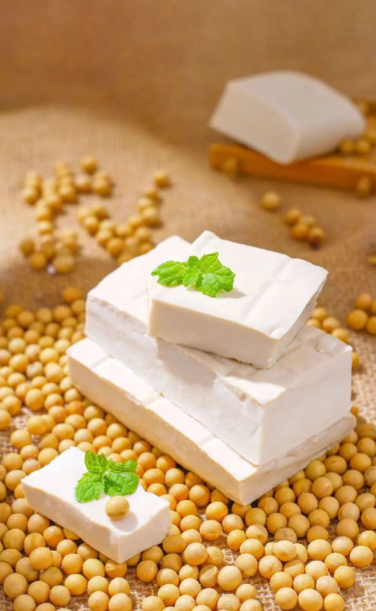
Tofu, a humble yet versatile food, has been a cornerstone of Chinese cuisine for over 2000 years, with its origins traced back to the Western Han Dynasty . Legend attributes its invention to Liu An, the King of Huainan, in what is now Anhui Province . Today, this ancient food has transcended cultural boundaries to become a global favorite, and China stands at the forefront of its production and innovation.
Unrivaled Production and Sales Dominance
China’s tofu industry is a behemoth, accounting for 60% of the world’s total tofu production . In 2024 alone, the industry’s revenue reached an impressive $38.2 billion, marking a 7.1% year-on-year growth . This remarkable achievement is driven by surging domestic demand, fueled by a growing focus on healthy eating, and a robust export market. In fact, 80% of the dried tofu and tofu skin raw materials found in supermarkets in Japan and Korea bear the “Made in China” label .
Shandong Province, a major agricultural hub in China, plays a pivotal role in the industry’s success. Its abundant soybean supply and strategic geographical location make it an ideal base for both domestic production and international trade . The industry’s growth is also evident in the diverse range of products available, from traditional soft and firm tofu to innovative offerings like frozen tofu (Kori-tofu) and fermented tofu .
Nutritional Powerhouse: A Health-Conscious Choice
Beyond its economic significance, tofu is celebrated for its exceptional nutritional profile. It is a rich source of high-quality plant protein, containing all eight essential amino acids required by the human body ^. This makes it an excellent protein alternative for vegetarians, vegans, and anyone looking to reduce their meat consumption .
Tofu is also packed with essential minerals such as calcium, iron, manganese, and selenium, as well as vitamins like B1 ^. Its health benefits are extensive: regular consumption can help lower LDL (bad) cholesterol levels, reducing the risk of heart disease ^. A 2020 study found that people who ate one serving of tofu per week had an 18% lower risk of heart disease compared to those who didn’t . Additionally, tofu contains isoflavones, plant compounds with antioxidant, anti-inflammatory, and potential anti-cancer properties ^. These compounds may also help regulate estrogen levels, providing relief for menopausal symptoms ^.
Innovations and Sustainable Practices
Chinese tofu producers are not resting on their laurels; they are continuously innovating to meet evolving consumer demands and promote sustainability. For instance, some companies have implemented “side-stream recycling systems,” transforming soybean dregs into pet food, creating additional revenue streams while reducing waste . Others are exploring the use of organic soybeans to produce premium tofu products, catering to health-conscious consumers willing to pay a premium .
The industry is also embracing technology to improve efficiency and product quality. Modern production lines have increased output while maintaining traditional craftsmanship, ensuring that tofu remains accessible to consumers worldwide . Furthermore, the entire soybean industry chain in China is a model of sustainability, with every part of the soybean utilized – from tofu and soy milk to animal feed and even beauty products .
A Global Favorite with Endless Potential
As the world becomes more health-conscious and environmentally aware, tofu’s popularity shows no signs of waning. China’s tofu industry, with its rich heritage, unrivaled production capacity, and commitment to innovation, is well-positioned to lead the global market. Whether enjoyed in a simple stir-fry, a creamy soup, or a decadent dessert, tofu continues to prove that it is much more than just a meat substitute – it is a nutritional powerhouse and a symbol of China’s culinary and economic prowess.
Post time: Mar-23-2026