


Surging Sales: Capturing Hearts in Southeast Asia and Africa
Hebei Abiding Co., Ltd. has witnessed a remarkable surge in sales of its Textured Vegetable Protein (TVP) in Southeast Asia and Africa over the past few years. In Southeast Asian countries such as Indonesia, Thailand, and Malaysia, the company’s TVP sales have grown at an annual rate of over 25%. Last year alone, the sales volume in this region exceeded 12,000 tons, accounting for more than 40% of the company’s total overseas sales. In Africa, the market share of Hebei Abiding’s TVP is also expanding rapidly. Countries like Nigeria, South Africa, and Egypt have become key markets. The sales volume in Africa reached 8,500 tons last year, with a year-on-year growth of 30%. This outstanding performance is closely related to the company’s precise market positioning and high-quality products. Local consumers in these regions are increasingly favoring plant-based protein products due to factors such as health awareness, religious beliefs, and cost-effectiveness. Hebei Abiding’s TVP, with its excellent quality and competitive price, has perfectly met their demands.
Versatile Applications: Revolutionizing Local Cuisine
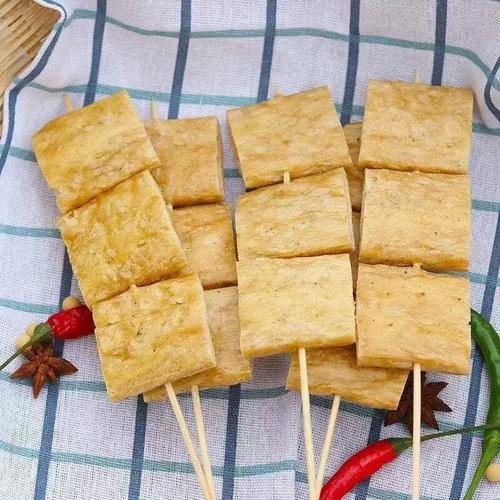
The success of Hebei Abiding’s TVP is not only reflected in sales but also in its wide range of applications. In Southeast Asia, TVP has become an indispensable ingredient in local cuisine. In Indonesia, it is widely used in the production of tempeh and tofu-based dishes, adding a rich protein content and unique texture to the food. In Thailand, TVP is a key component in many traditional snacks and street foods, such as fried TVP balls and TVP spring rolls. In Africa, TVP has brought a new revolution to the local food industry. In Nigeria, it is used to make various meat substitutes, which are popular among both Muslims and Christians due to their halal and kosher certifications. In South Africa, TVP is widely used in the catering industry, especially in school meals and hospital catering, providing a cost-effective and nutritious protein source. Moreover, TVP from Hebei Abiding is also widely used in the production of processed foods such as sausages, burgers, and canned foods in both regions, further expanding its application scope.
Quality Advantages: The Cornerstone of Market Leadership
Behind the booming sales and wide applications lies Hebei Abiding’s unwavering commitment to quality. The company uses non-genetically modified soybeans as raw materials, which are carefully selected from the fertile black soil of Northeast China. The entire production process adheres to strict international quality standards, from soybean cleaning and crushing to protein extraction and texturization. Advanced production equipment and technology ensure that the TVP produced by Hebei Abiding has a uniform texture, high protein content (up to 99%), and excellent water absorption and oil retention properties. These characteristics make it easier for local food manufacturers to use and improve the quality of their products. In addition, the company has established a perfect quality control system. Each batch of products undergoes strict testing before leaving the factory, ensuring that they meet the food safety standards of various countries and regions. This has won the trust and praise of customers and consumers in Southeast Asia and Africa.
Sustainable Development: Paving the Way for a Greener Future
Hebei Abiding Co., Ltd. not only focuses on product quality and market expansion but also actively practices sustainable development. The production of TVP has a much lower carbon footprint compared to traditional meat production. By promoting the use of TVP, the company is contributing to the reduction of greenhouse gas emissions and the conservation of water and land resources. In Southeast Asia and Africa, where environmental issues are becoming increasingly prominent, Hebei Abiding’s sustainable development concept has resonated with local governments and consumers. The company has also carried out a series of environmental protection initiatives, such as recycling production waste and promoting energy-saving technologies. These efforts have not only enhanced the company’s corporate image but also laid a solid foundation for its long-term development in these regions.
Post time: Mar-13-2026